Why Your Pebble Trays Aren’t Working: The Humidity Myth That’s Killing Your Tropical Plants

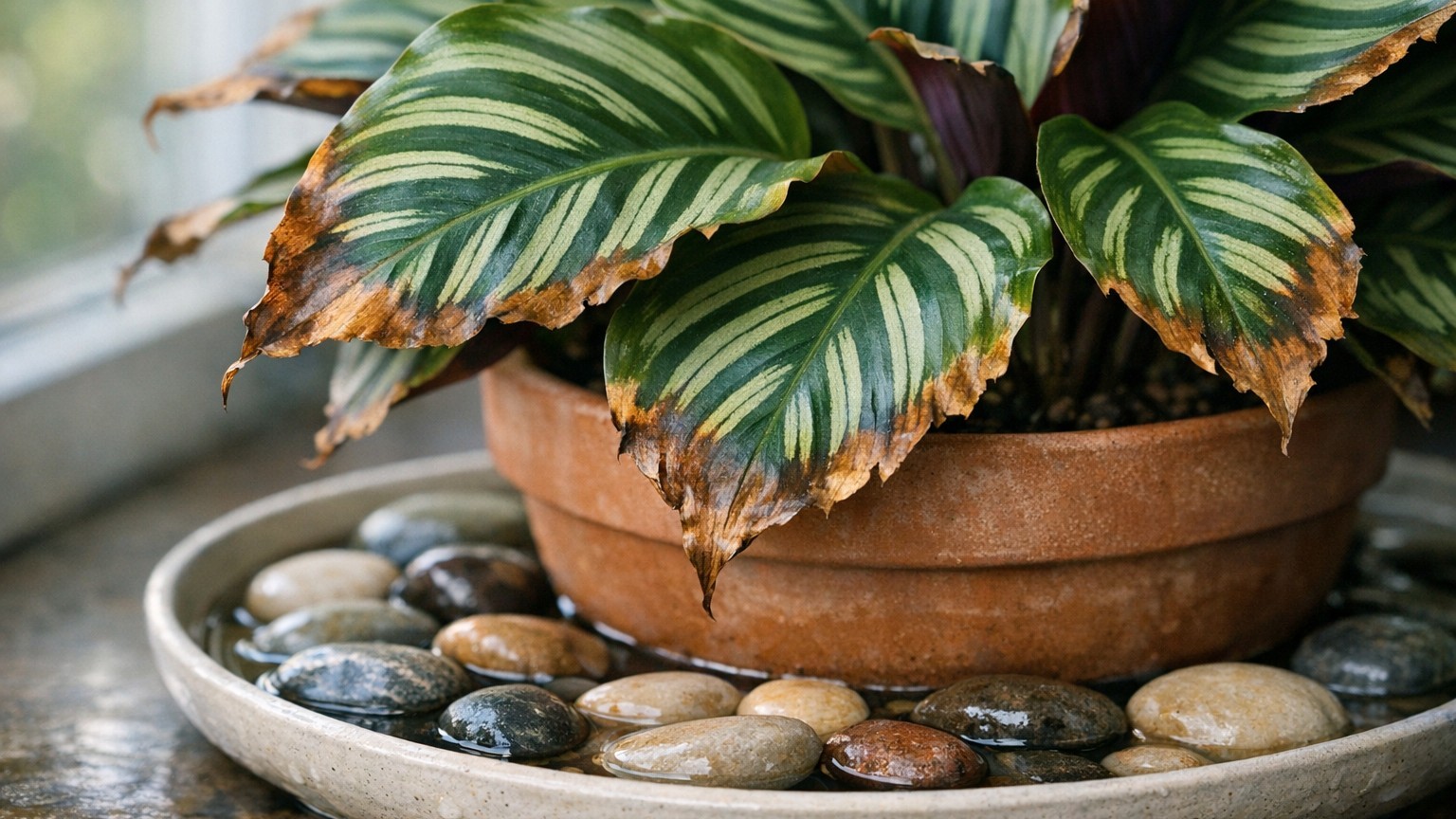
Why Your Pebble Trays Aren't Working: The Humidity Myth That's Killing Your Tropical Plants

Years of diligent pebble tray maintenance delivered just 2% more humidity than doing nothing at all. Tropical plants desperate for 60-80% humidity are left to suffer in homes averaging 40%, and physics explains exactly why this popular hack fails.

The Hidden Threat Between Your Houseplants: What You’ll Find When You Finally Move That Pot

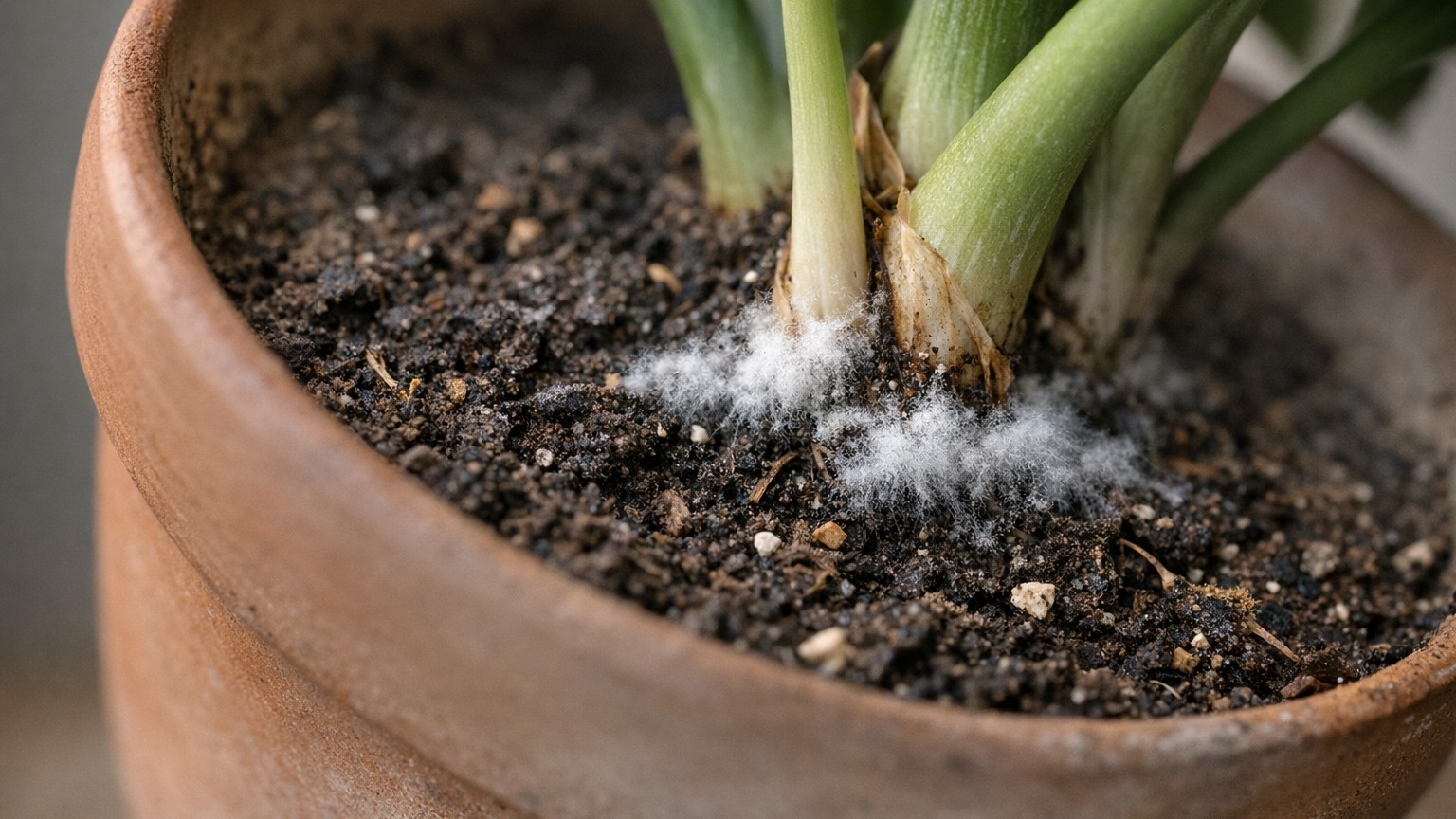
The Hidden Threat Between Your Houseplants: What You'll Find When You Finally Move That Pot

Packed houseplants create the perfect microclimate for tropical species—and for dangerous fungi. When you finally move a pot to reveal white fuzz, dark patches, and creeping mold, it’s often too late. Learn what’s actually growing in those hidden gaps and how to stop it.

Why Your Monstera Stopped Growing: The Hydrophobic Soil Problem You’ve Been Ignoring

Why Your Monstera Stopped Growing: The Hydrophobic Soil Problem You've Been Ignoring

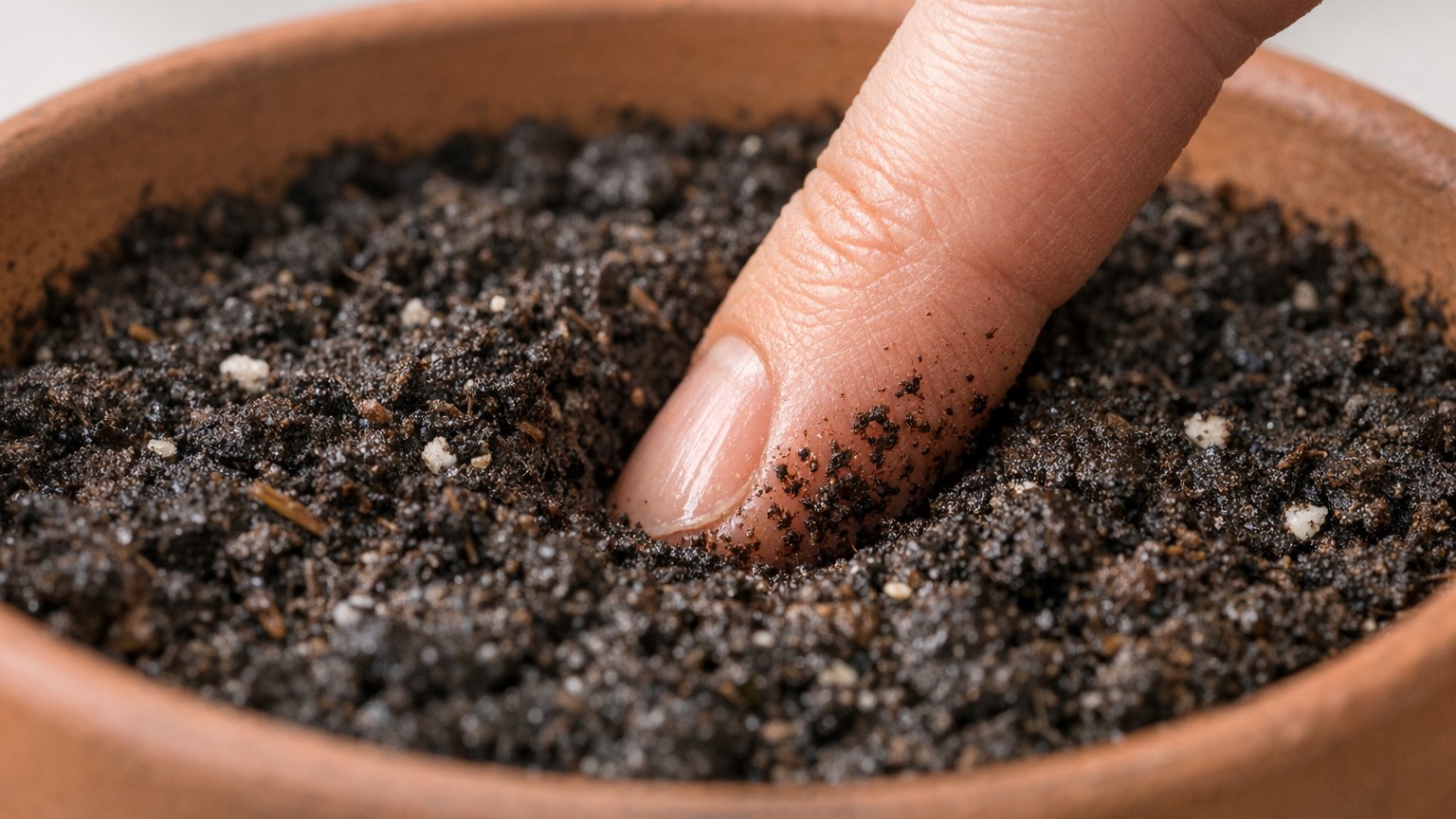
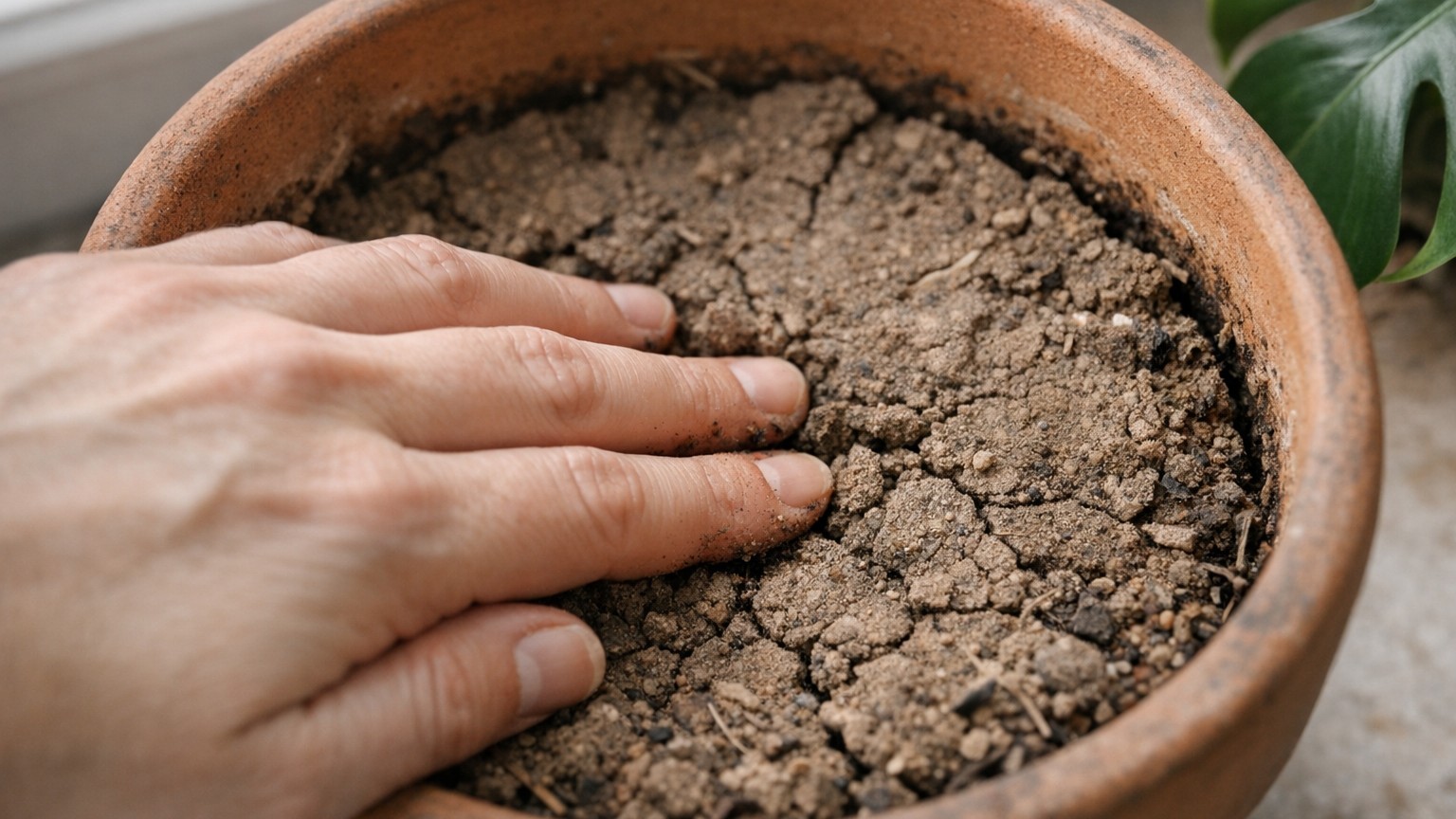
You’ve been watering and fertilizing faithfully, yet your Monstera remains frozen in place. The culprit isn’t what you think—it’s lurking in the soil itself. One simple touch revealed the problem that’s been sabotaging months of care.

Why Your Snake Plant Is Rotting in Plain Sight: The Plastic Pot Problem Nobody Sees Coming

Why Your Snake Plant Is Rotting in Plain Sight: The Plastic Pot Problem Nobody Sees Coming

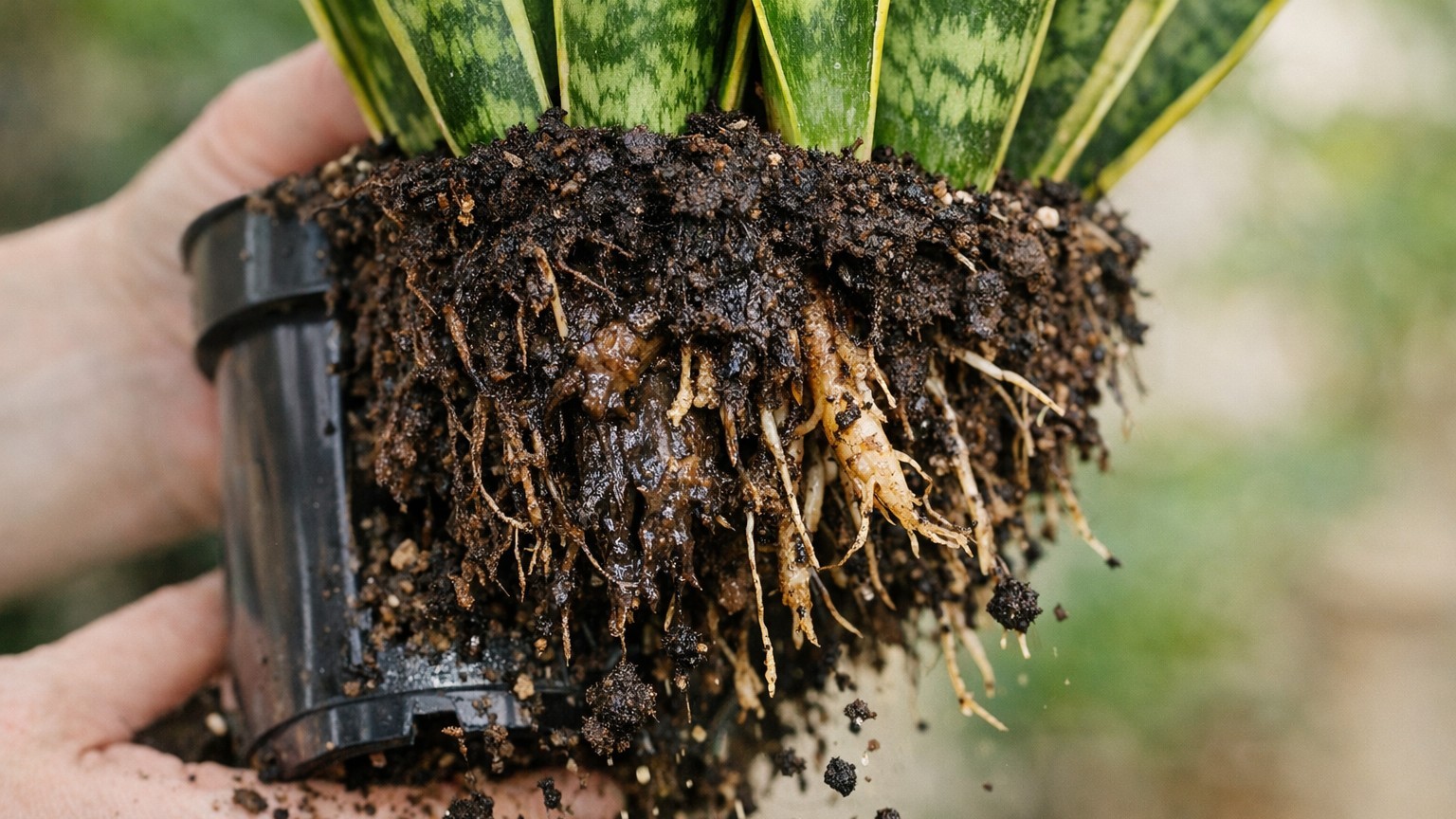
Snake plants are nearly impossible to kill—until they’re not. The culprit isn’t neglect or poor light; it’s what happens invisibly underground inside the sealed plastic nursery pot that came with your plant. One month of trapped moisture is all it takes to turn healthy roots into mush.

Why Your Houseplants Have Brown Tips: The White Crust on Your Soil Is the Real Culprit

Why Your Houseplants Have Brown Tips: The White Crust on Your Soil Is the Real Culprit

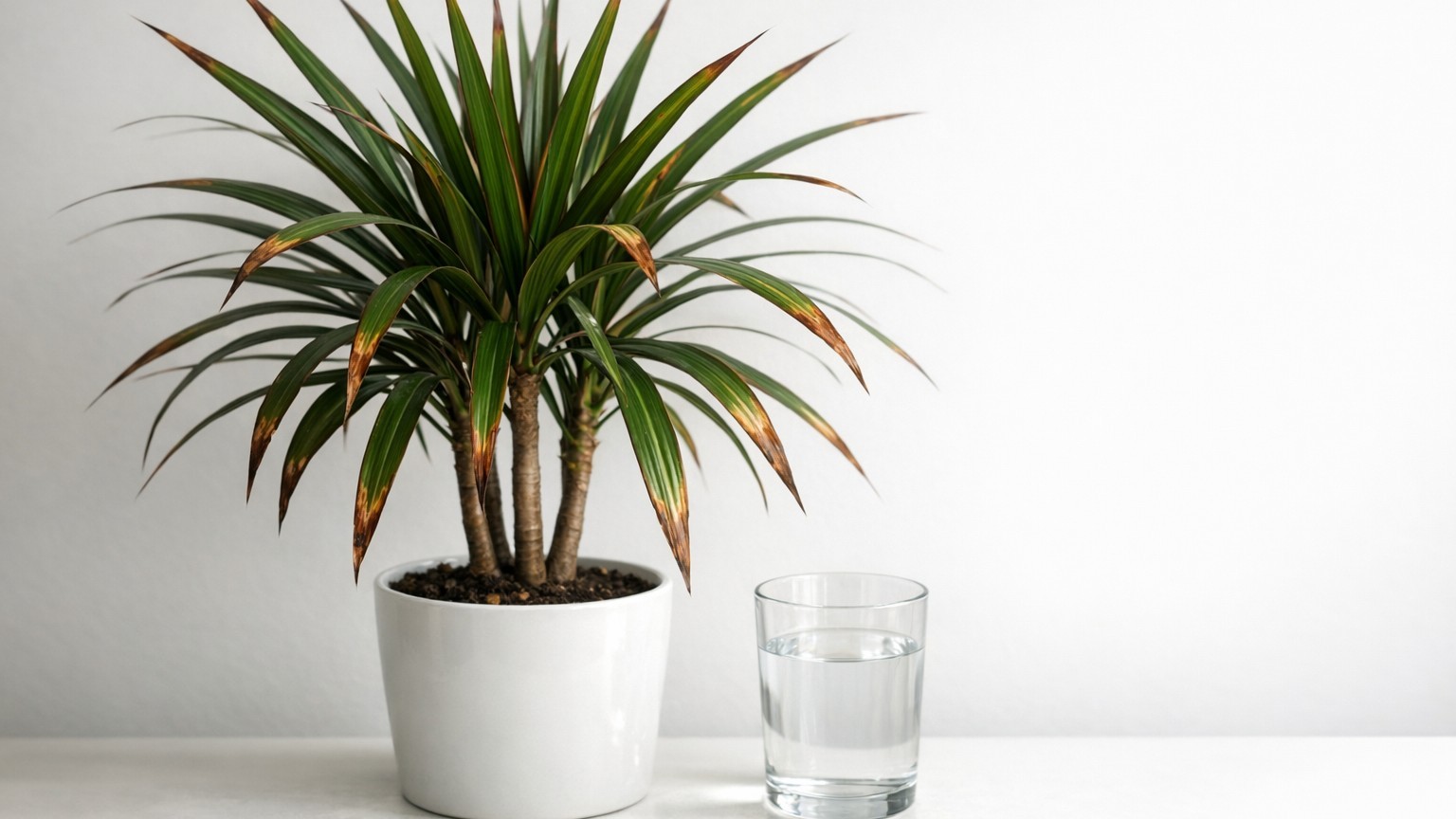
That chalky white crust on your potting soil isn’t harmless—it’s a mineral buildup from tap water that’s slowly suffocating your plant’s roots. When dissolved salts accumulate in the soil, they create osmotic stress that prevents water from reaching leaf tips, causing the brown tips you’ve been trying to fix for months. The solution is simpler than you think.

I Moved My Peace Lily to the Windowsill for More Light—Three Days Later, Its Leaves Turned White

I Moved My Peace Lily to the Windowsill for More Light—Three Days Later, Its Leaves Turned White

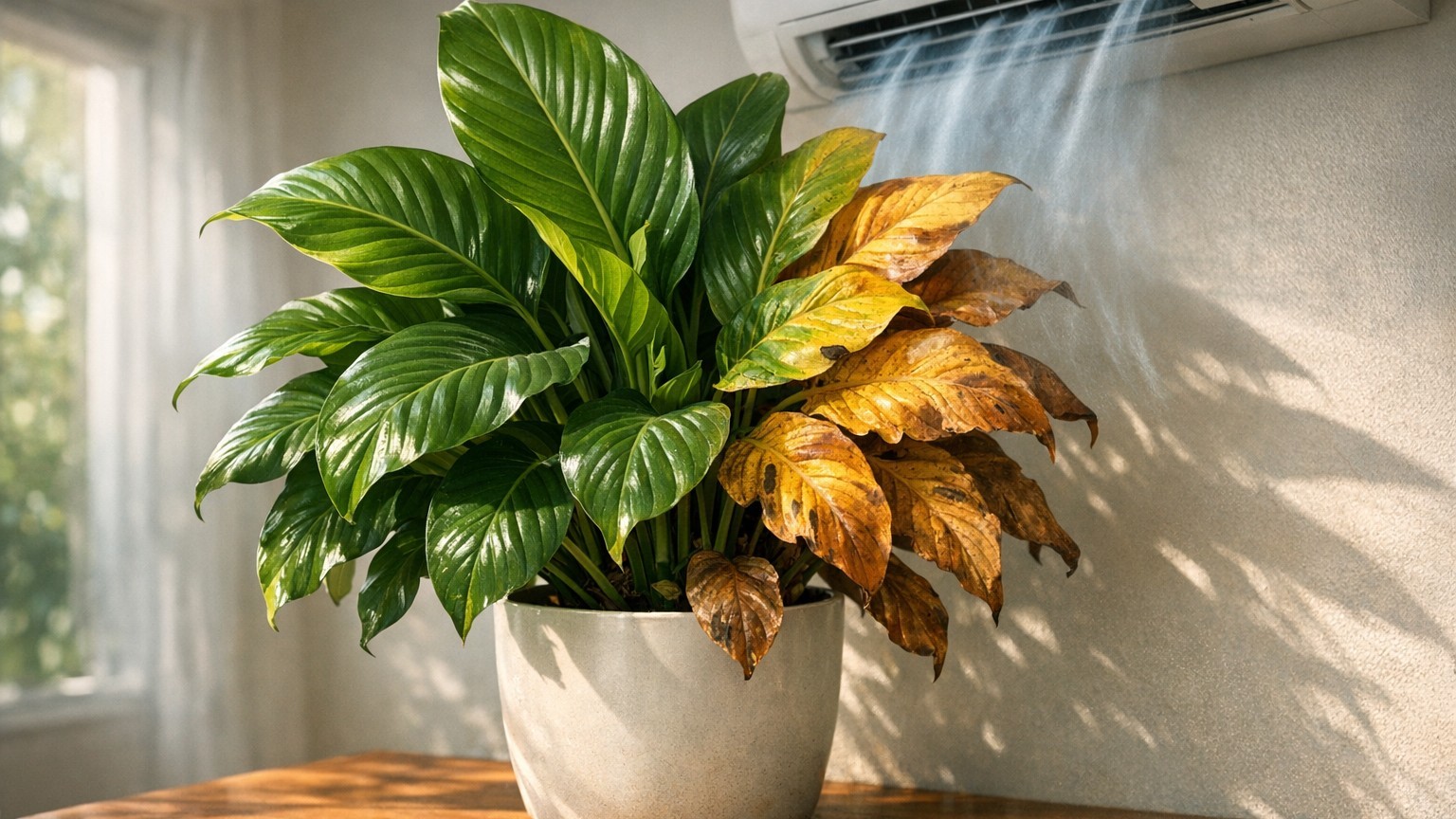
Moving a peace lily to a bright windowsill seems logical, but three days later, white patches appeared on the leaves. This isn’t disease—it’s photobleaching, a form of sun scorch caused by intense direct light that peace lilies aren’t evolved to handle. Discover why this happens and how to fix it.

Why Your Bottom-Watered Plants Are Browning: The Salt Buildup Problem No One Talks About

Why Your Bottom-Watered Plants Are Browning: The Salt Buildup Problem No One Talks About

Bottom-watering promised dry crowns and healthy roots, but months in, a white crusty buildup appeared on the soil surface—followed by browning on prized plants. This isn’t rot or fungus; it’s salt accumulation, and it’s silently damaging tissues at the soil line. One simple monthly step fixes it entirely.

Why Your Water-Propagated Pothos Stops Growing After Potting: The Root System Rebuild Nobody Tells You About

Why Your Water-Propagated Pothos Stops Growing After Potting: The Root System Rebuild Nobody Tells You About

You’ve watched roots flourish in water for weeks—then nothing happens after potting. The secret isn’t negligence; it’s biology. Water roots and soil roots are fundamentally different structures, and your plant is rebuilding from the ground up.

I Tucked My Anthurium’s Aerial Roots Into the Soil—What Happened Next Changed Everything

I Tucked My Anthurium's Aerial Roots Into the Soil—What Happened Next Changed Everything

A simple May decision to tuck aerial roots into soil unleashed a cascade of hidden growth: dense new root networks, spontaneous offset shoots, and a completely new understanding of how anthuriums signal abundance. What looked like tidying up was actually triggering the plant’s dormant reproductive response.

The May Sunscald Crisis: Why Your Succulents Are Burning Against the South Window

The May Sunscald Crisis: Why Your Succulents Are Burning Against the South Window

A single May afternoon against a south-facing window can permanently damage every leaf on your succulents. The culprit isn’t summer heat—it’s the dangerous combination of spring UV intensity and indoor plants lacking sun acclimation. A neighbor’s warning about sunscald reveals the real risks most plant guides miss.