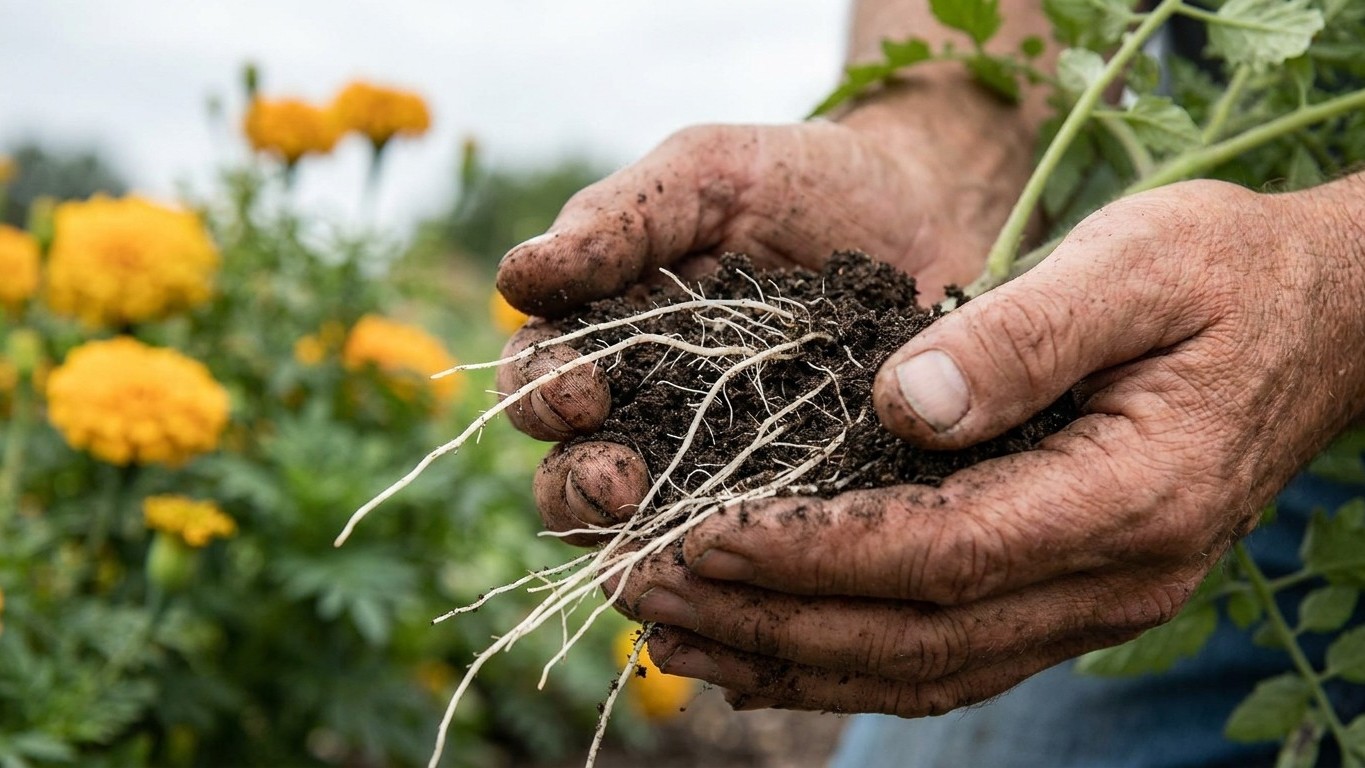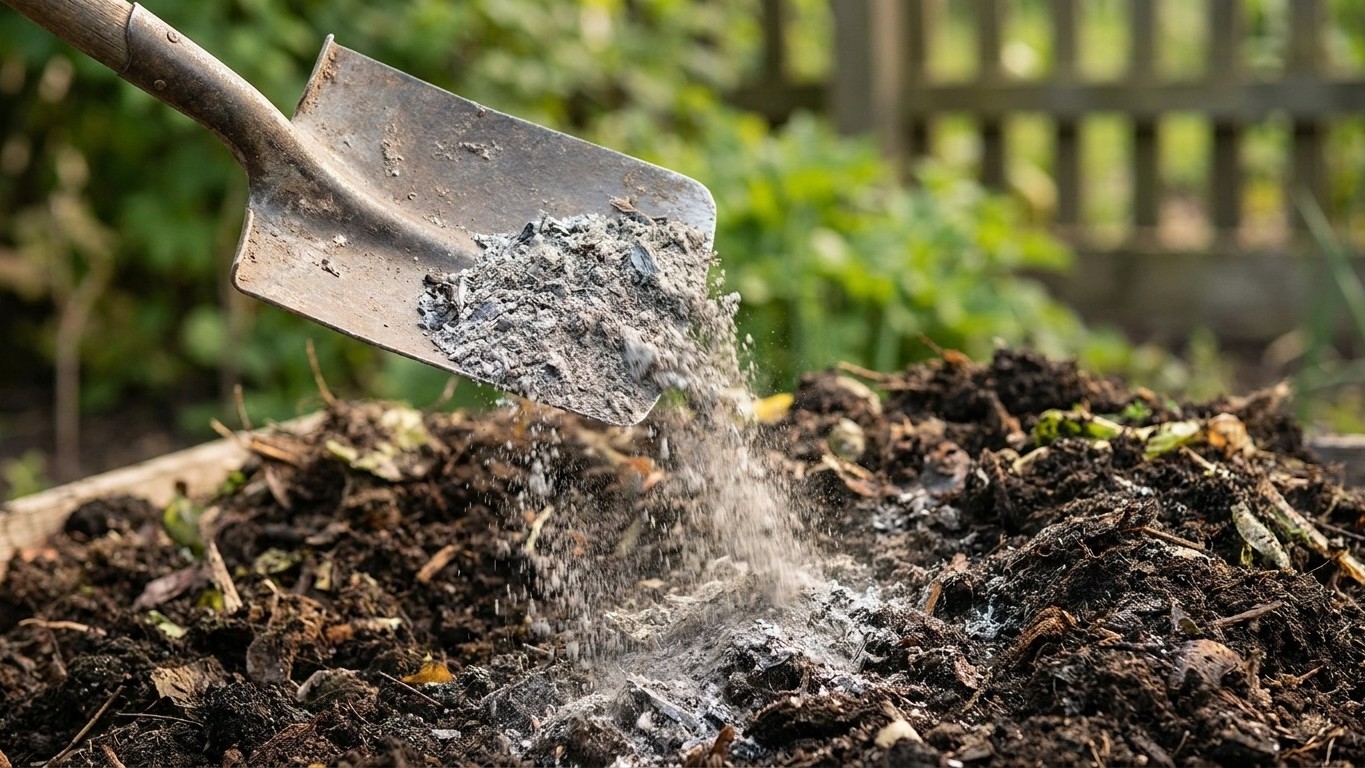
If your compost has stopped breaking down and smells of ammonia, it’s not the greens you added: it’s what you emptied on it after the last barbecue

If your compost has stopped breaking down and smells of ammonia, it's not the greens you added: it's what you emptied on i...

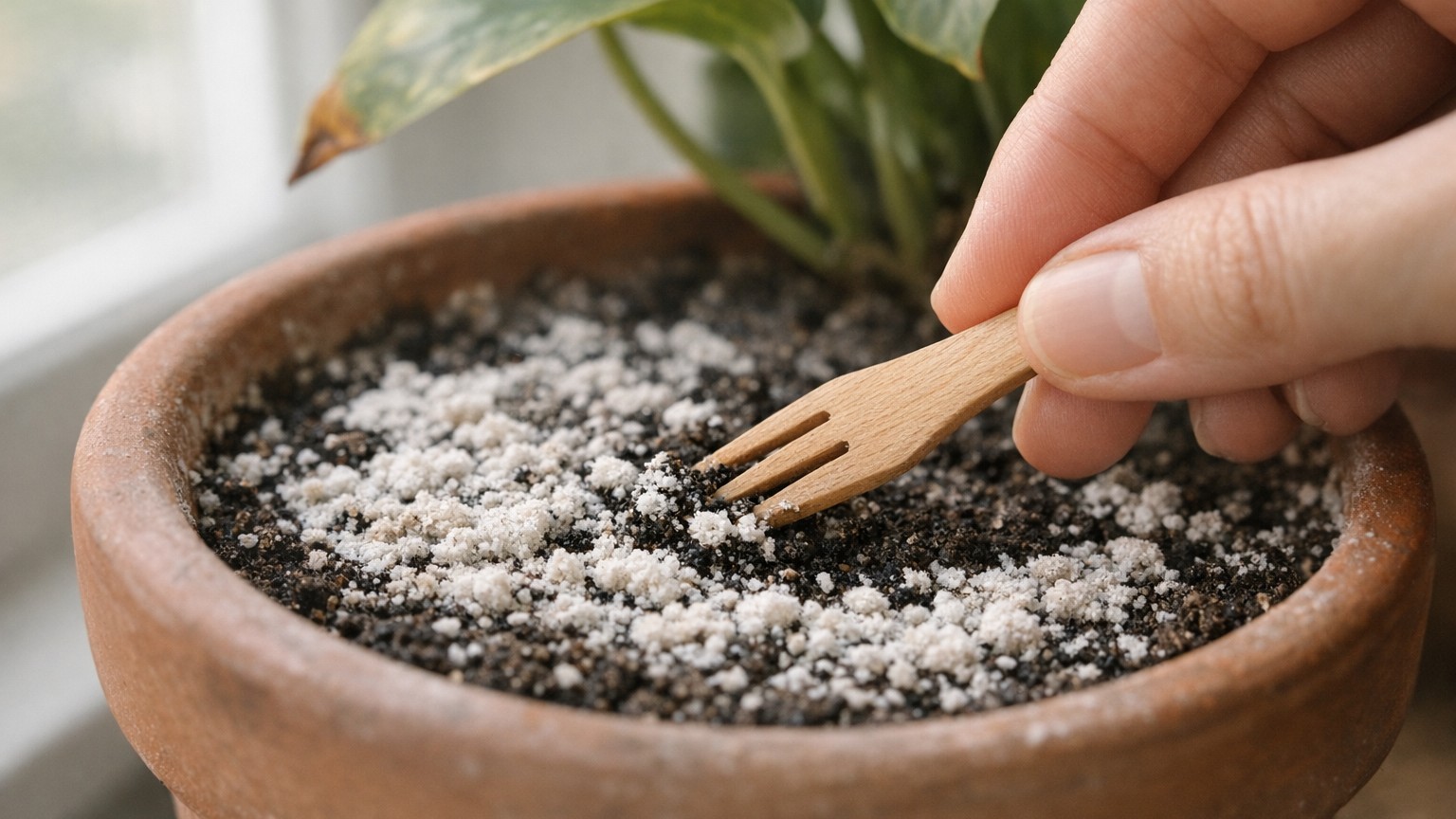
Your compost pile didn’t fail because of too many vegetable scraps—it’s probably the ash from your last barbecue. Wood ash and charcoal ash create a chemical reaction that releases nitrogen as ammonia gas and raises pH so high that microbes simply shut down. Here’s exactly how much ash your pile can handle and how to fix the damage.

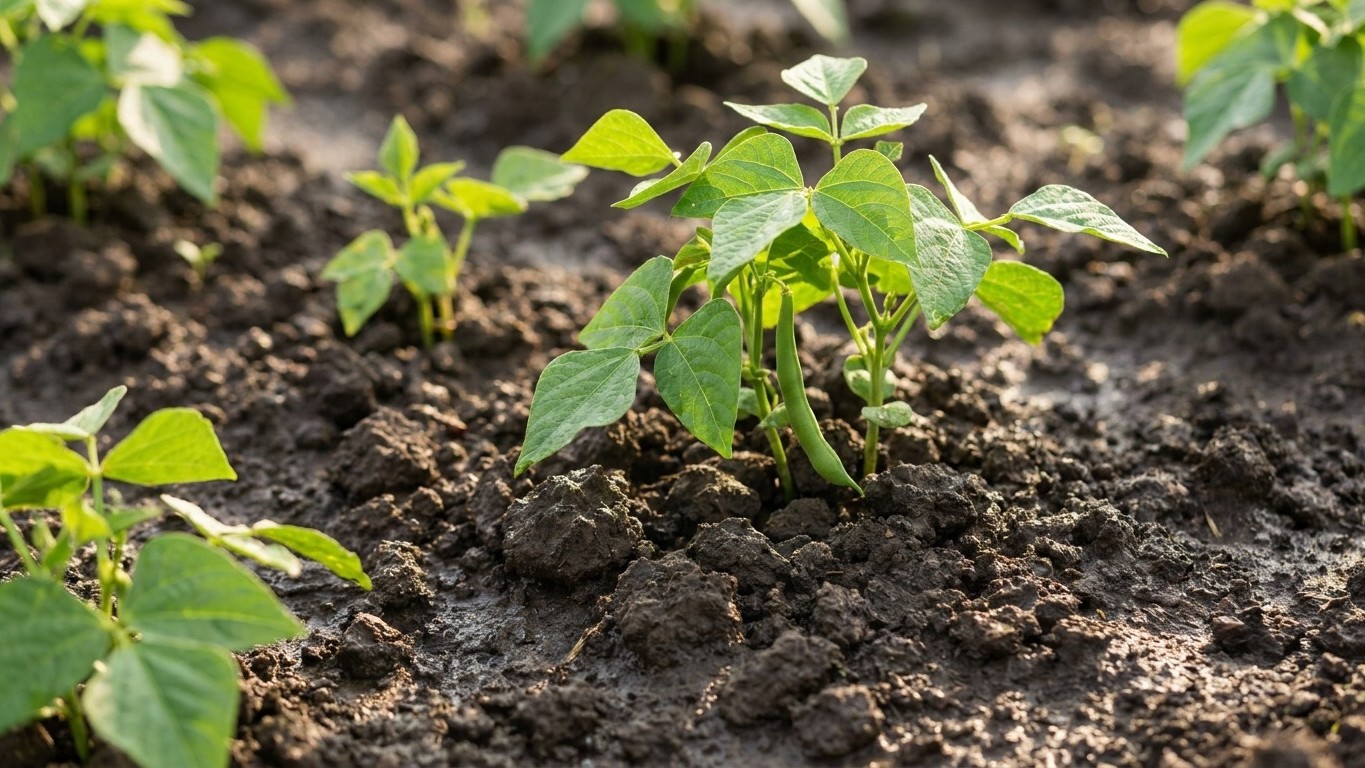
I sowed dwarf beans in the bed my garlic had just left, only to keep the weeds out: since then the soil never crusts over and I’m still picking in September

I sowed dwarf beans in the bed my garlic had just left, only to keep the weeds out: since then the soil never crusts over ...

A gardener discovered that planting dwarf beans in an empty garlic bed does more than just suppress weeds—it transforms the soil structure itself. By staggering sowings through July, the living canopy keeps the earth soft and productive well into fall.

Why Grandparents Always Mulched Before Summer: The Forgotten Soil Secret Making a Comeback in 2026

Why Grandparents Always Mulched Before Summer: The Forgotten Soil Secret Making a Comeback in 2026

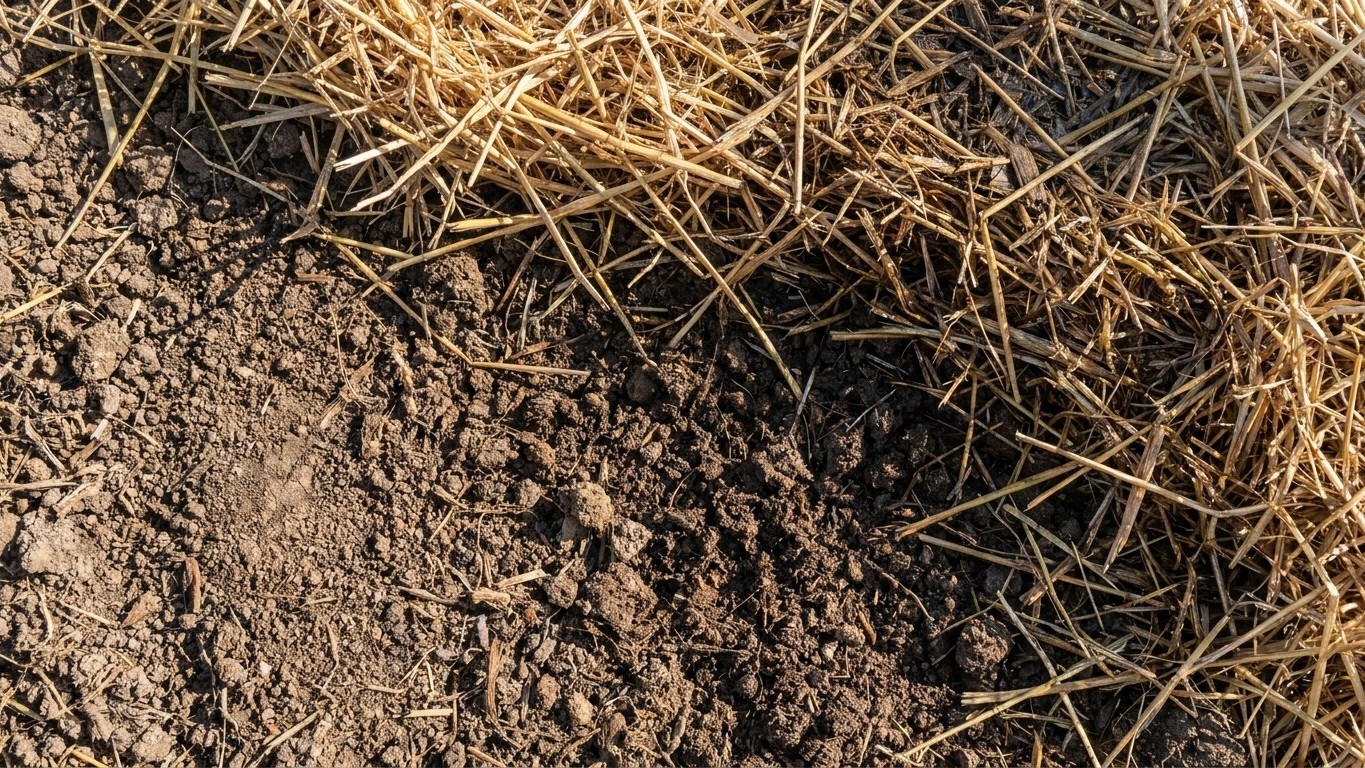
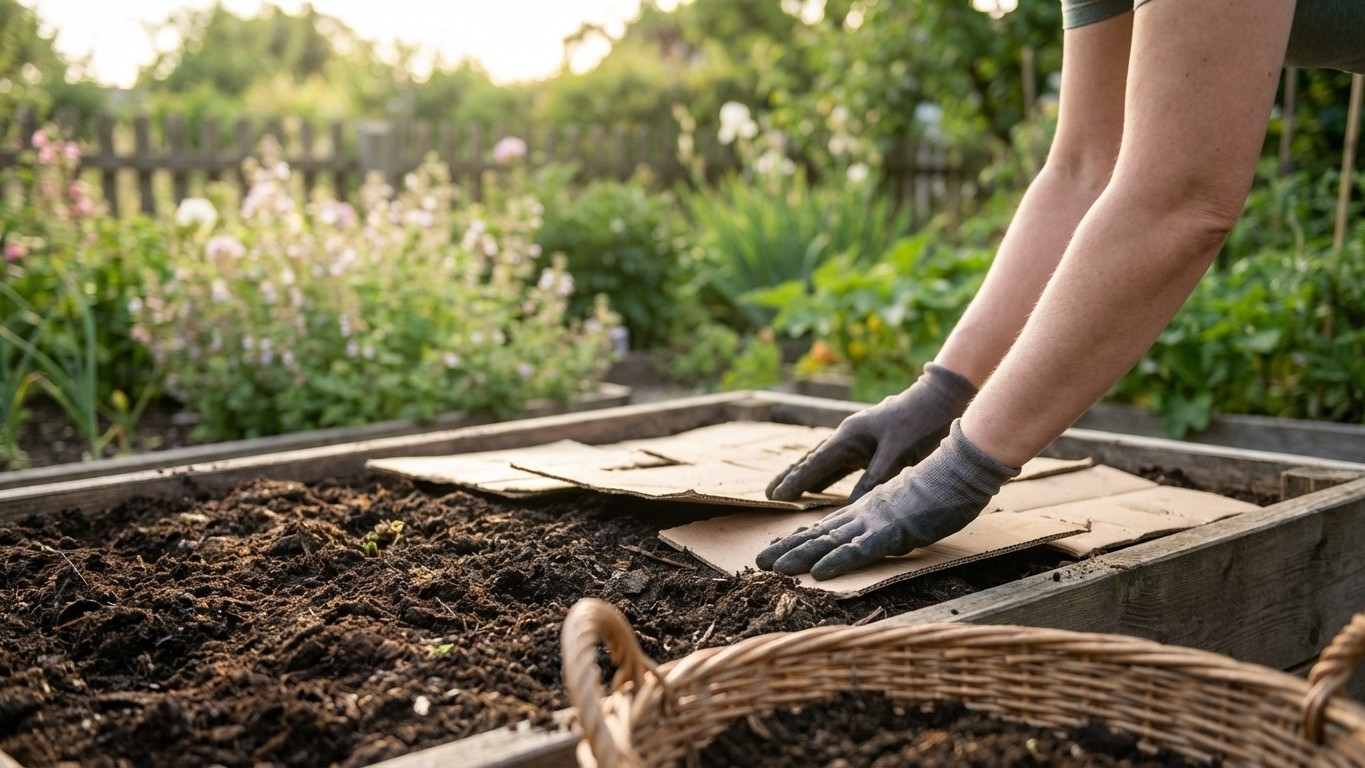
Your grandparents knew something modern gardeners forgot: a simple layer of straw, leaves, or grass clippings spread across bare soil before summer could transform a garden’s success. As droughts intensify and water becomes scarce, agricultural researchers are confirming what old-timers understood instinctively—mulch isn’t just about aesthetics, it’s about physics, and it works.

The White Crust on Your Houseplant Soil Is Poisoning It—Here’s What You’ve Been Missing

The White Crust on Your Houseplant Soil Is Poisoning It—Here's What You've Been Missing

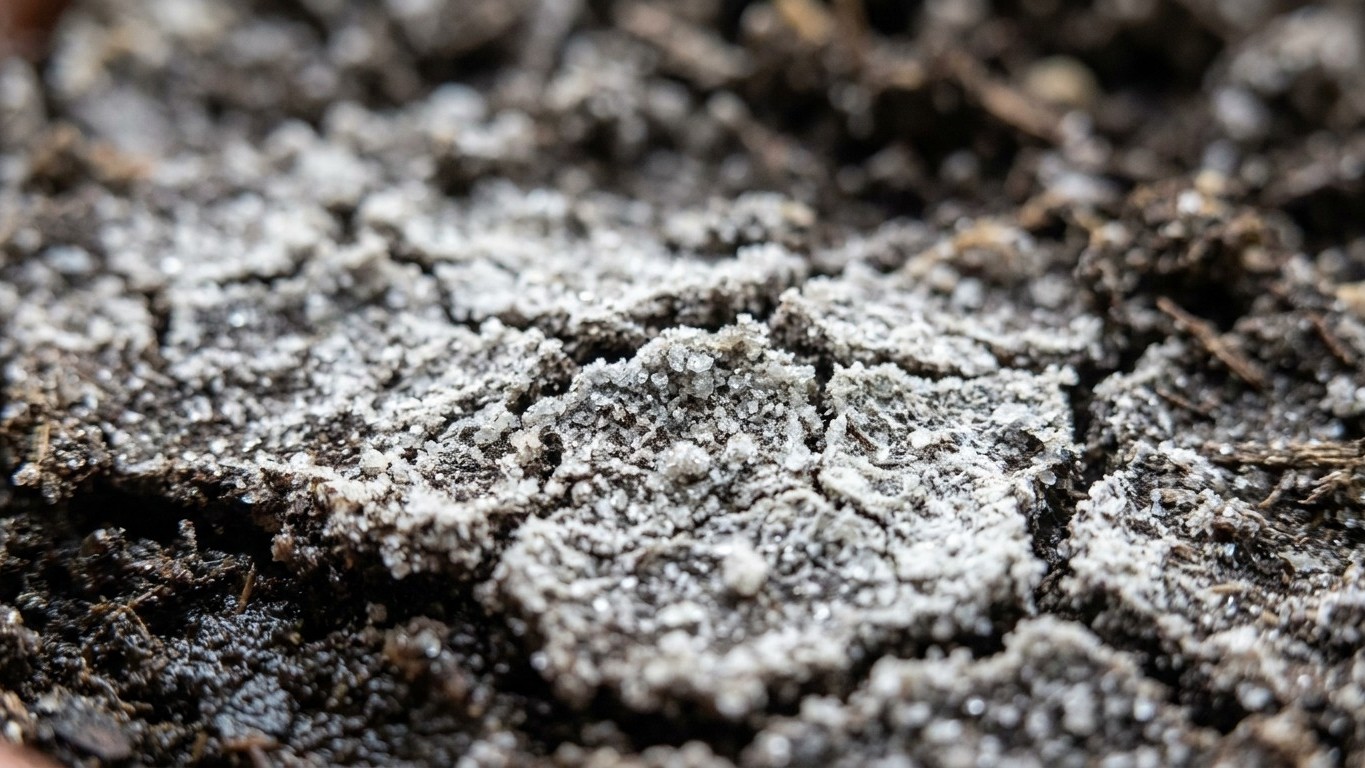
The white crust accumulating on your houseplant soil isn’t a cosmetic problem—it’s mineral salt buildup that’s slowly suffocating your plant’s roots through osmotic stress. Most plant owners water around it for months without realizing it’s creating a compacted, salt-caked layer that reverses water absorption and mimics underwatering symptoms. Here’s what’s actually happening and how to fix it.

I Bottom-Watered My Houseplants for a Year Straight—Here’s Why They Were Actually Dying

I Bottom-Watered My Houseplants for a Year Straight—Here's Why They Were Actually Dying

A year of disciplined bottom watering seemed perfect until a white crusty layer revealed the real problem: mineral salts accumulating at the soil surface, pulling moisture from roots through osmosis. The method that’s supposed to save plants was slowly killing them.

I Applied Coffee Grounds to My Houseplants for a Year—Here’s What Happened to the Roots

I Applied Coffee Grounds to My Houseplants for a Year—Here's What Happened to the Roots

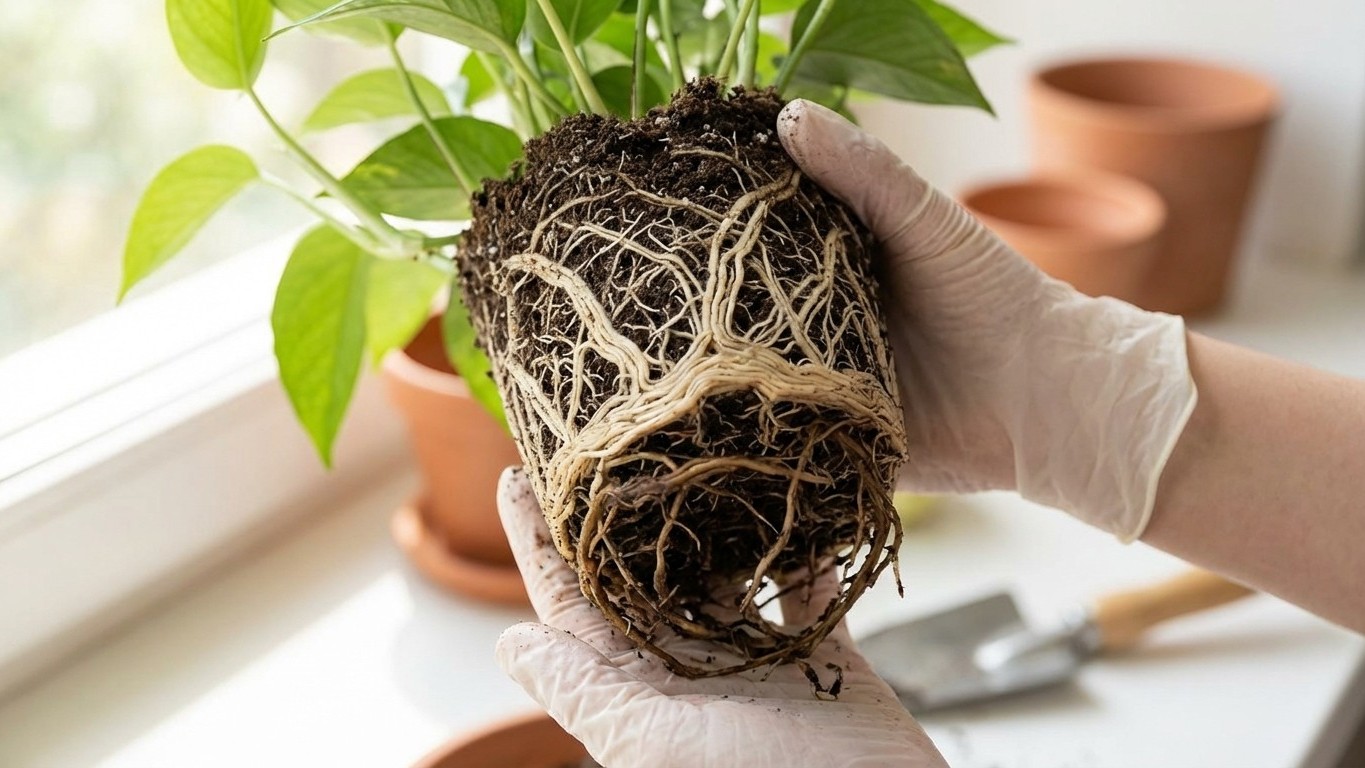
After a year of adding coffee grounds directly to houseplant soil, one plant developed hidden root rot while appearing perfectly healthy above ground. What looked like a promising growth hack turned into a cautionary tale about drainage, compaction, and the gap between garden mythology and container reality.

I Tried the Korean Water-Saving Planting Technique: My Garden Uses a Third of the Water and Yields Exploded

I Tried the Korean Water-Saving Planting Technique: My Garden Uses a Third of the Water and Yields Exploded

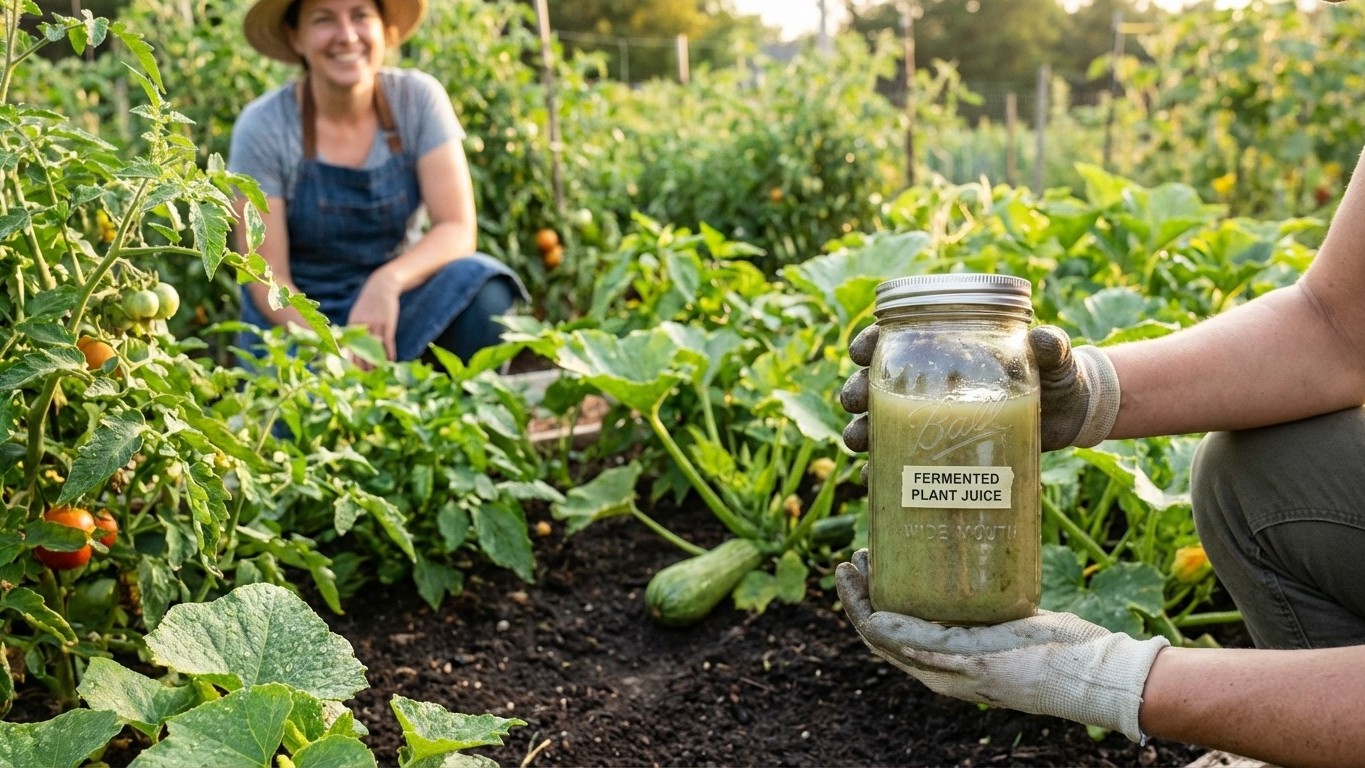
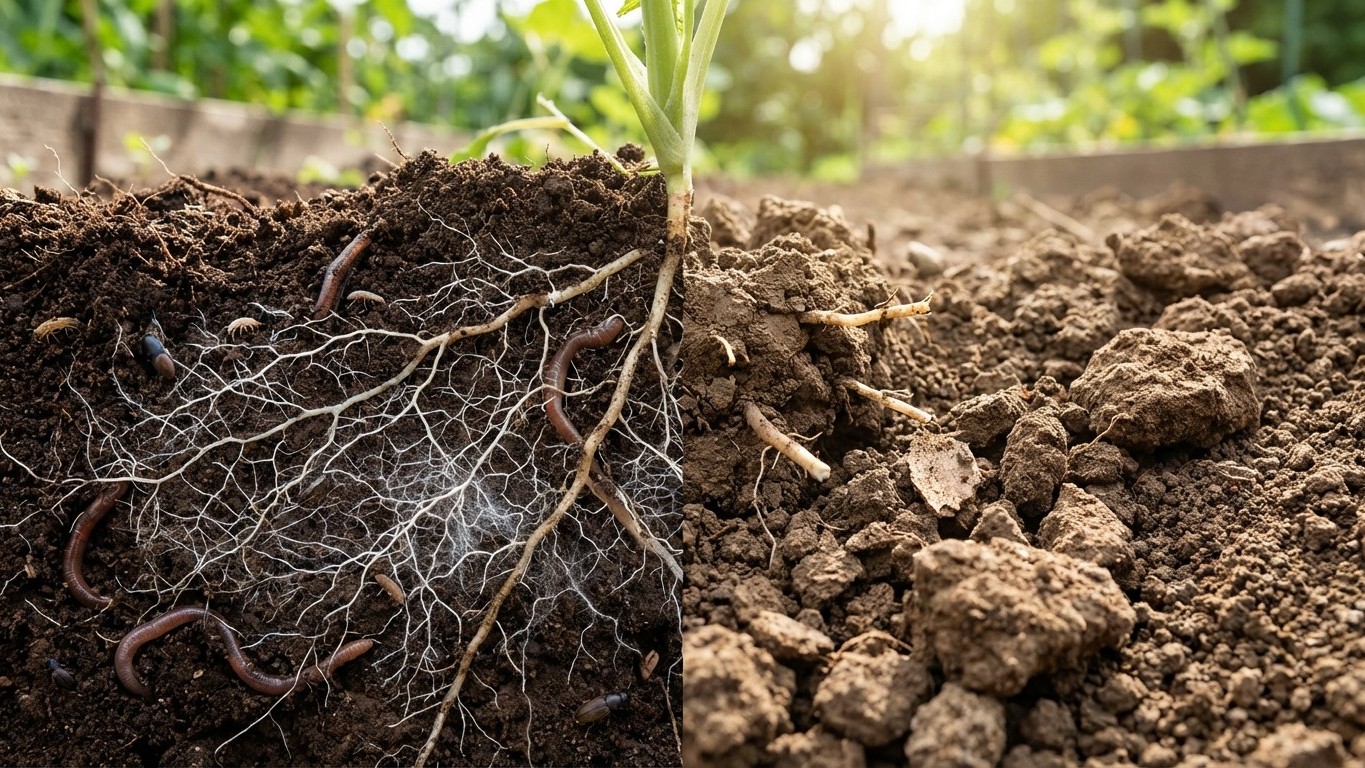
A real-world test of Korean Natural Farming techniques reveals how ancient fermentation methods can slash garden water usage by two-thirds while dramatically boosting yields through indigenous microorganisms and smart soil management.