
String of Pearls Shriveling: Thirst or Rotten Roots, and the Stem Check That Tells You Which
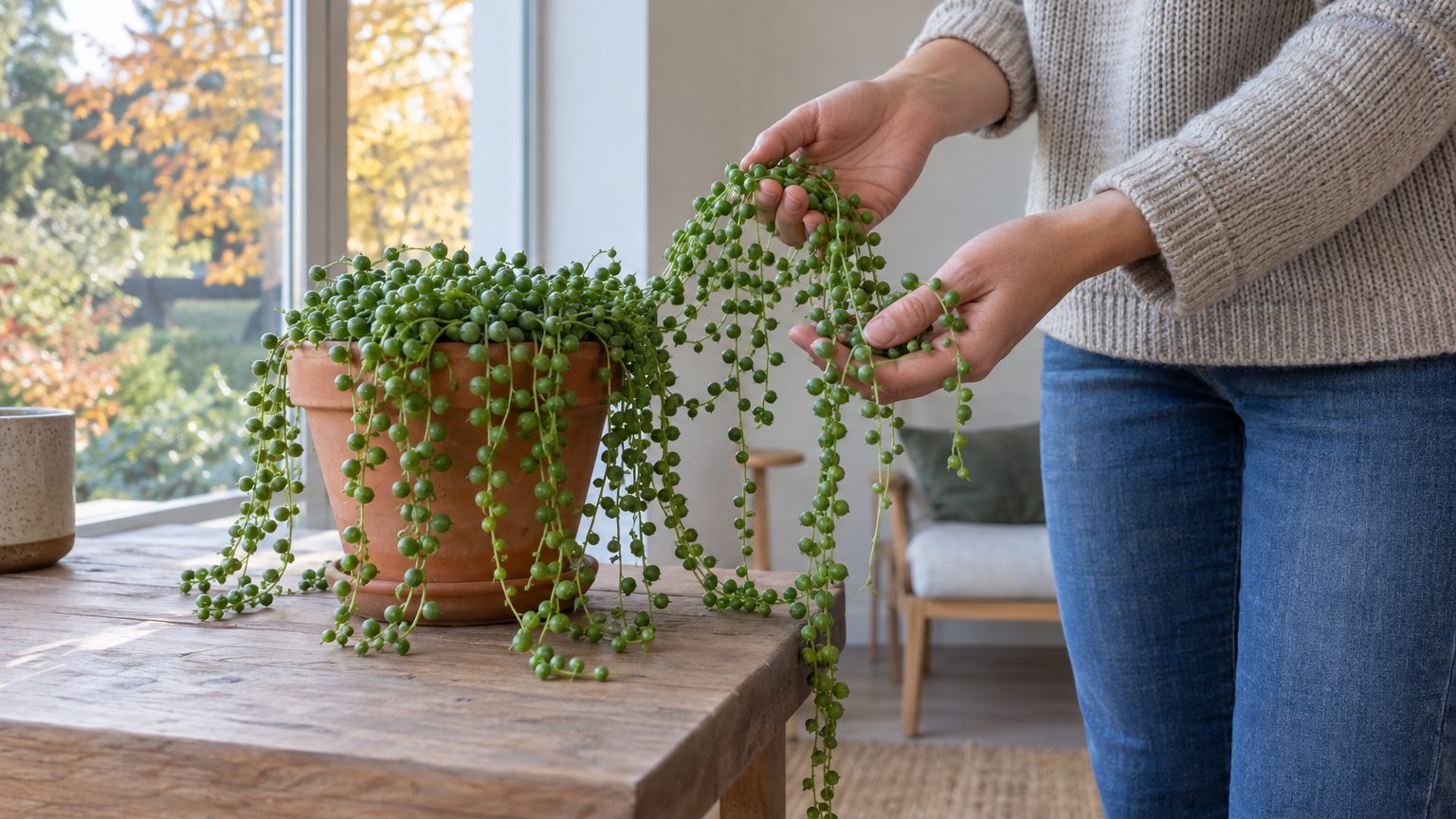
I watered my string of pearls more, and it kept shriveling. Then I ran my thumb along one trailing strand and felt something I didn’t expect.
I watered my string of pearls more, and it kept shriveling. Then I ran my thumb along one trailing strand and felt something I didn’t expect.
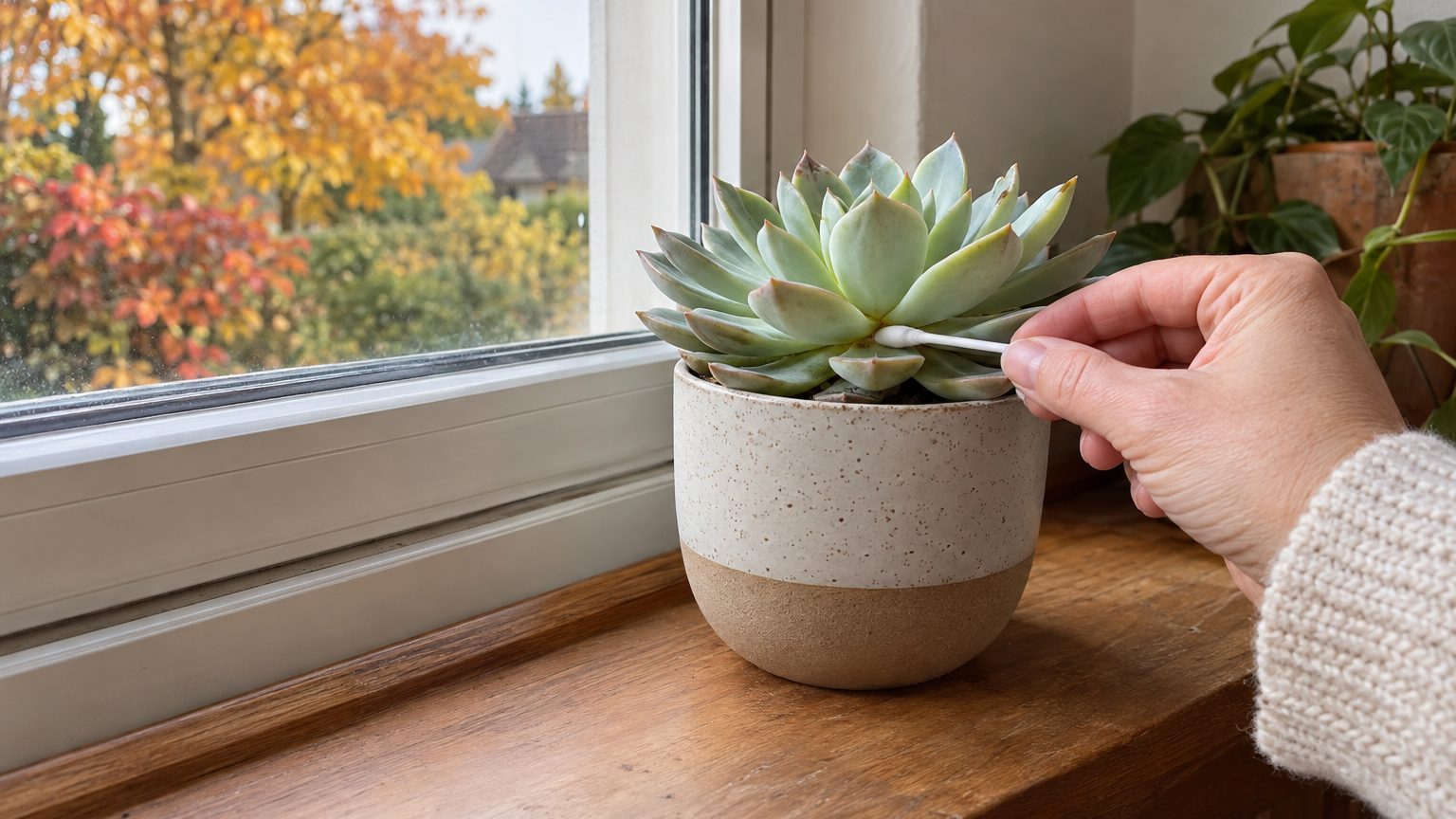
I found a wisp of white cotton tucked where the leaves meet the stem, and it looked harmless enough. Then I touched it, and the fluff moved.
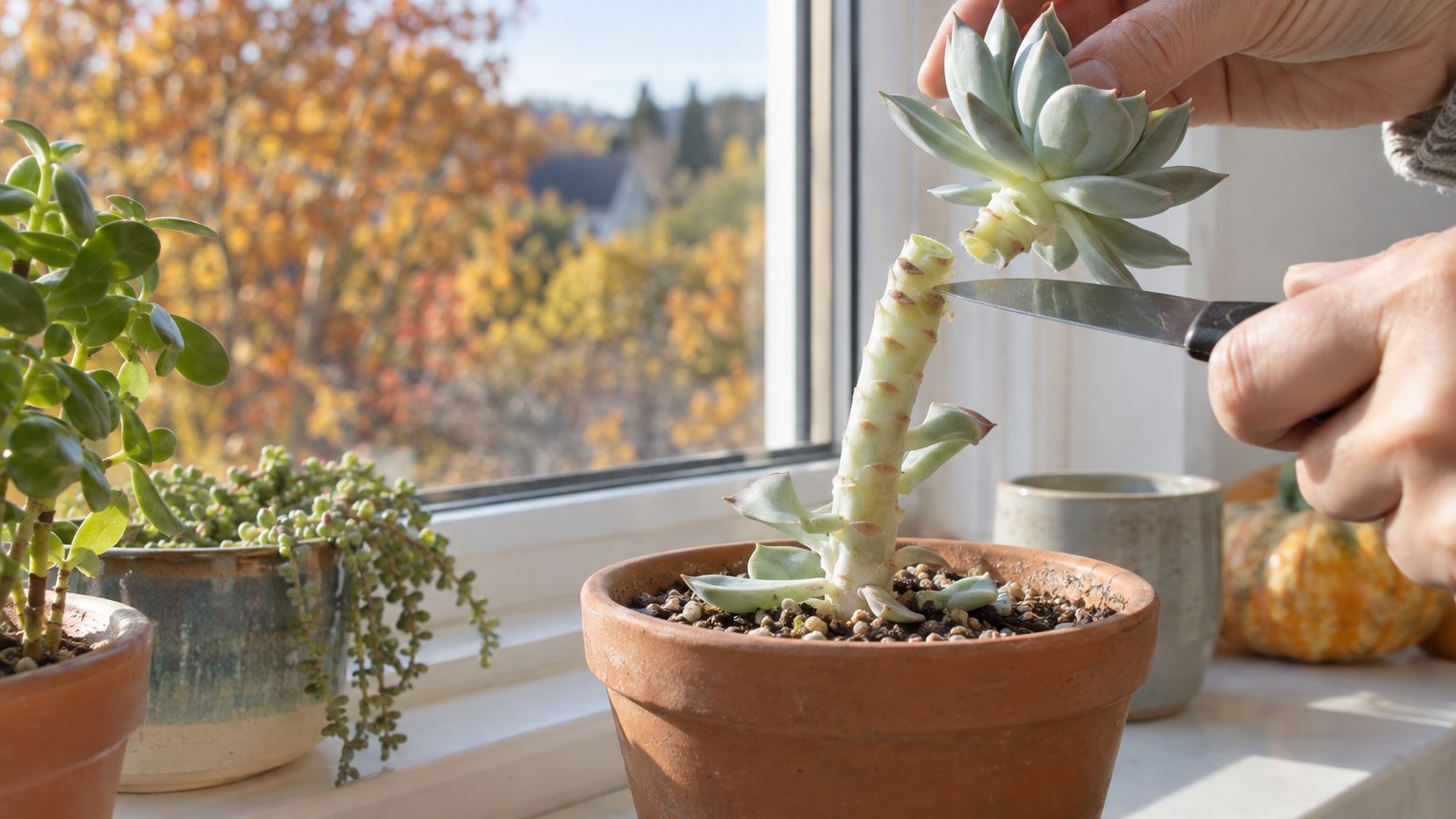
Stretched succulent stems are permanent—the elongated cells won’t shrink back no matter how much light you add. The solution is surprisingly simple: behead the rosette, root the cutting, and regrow a compact plant while the stump produces new shoots. Fix the underlying light problem, and your next generation stays compact.
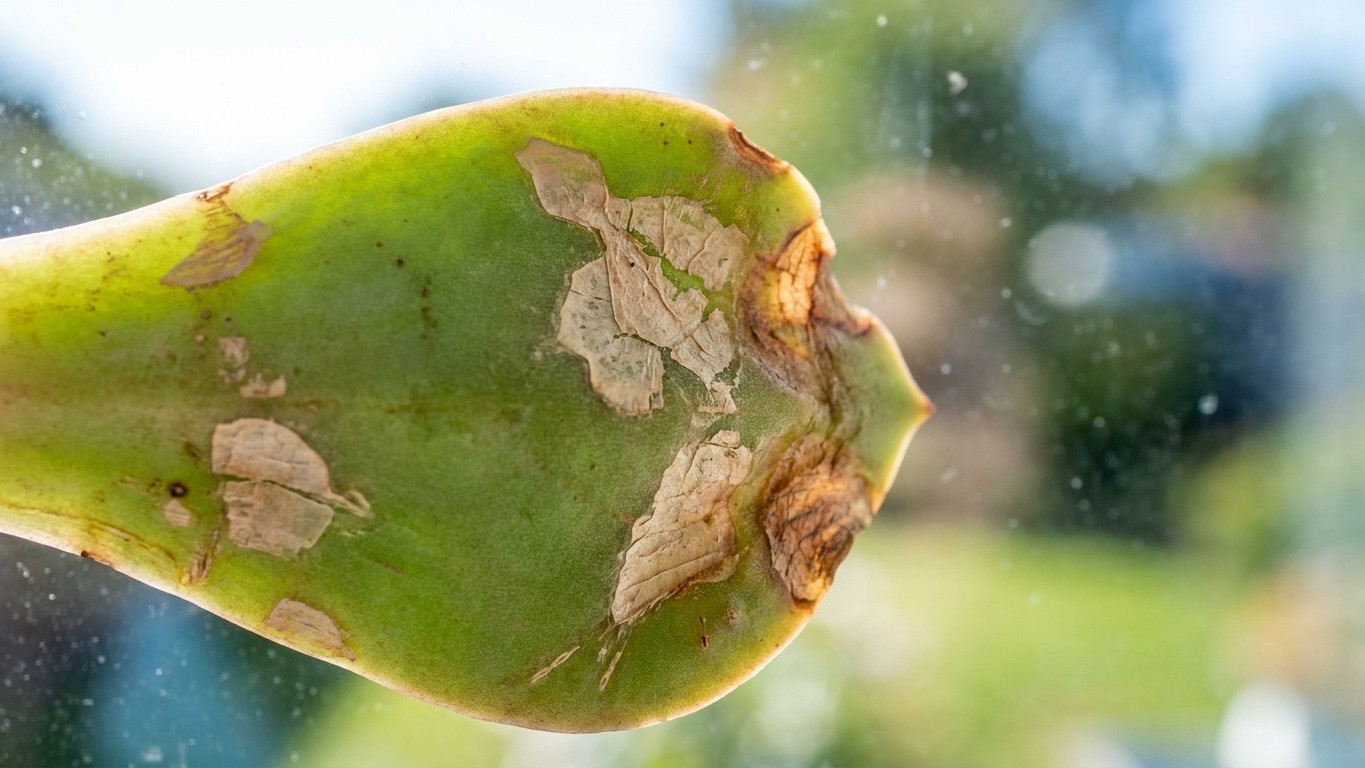
A single May afternoon against a south-facing window can permanently damage every leaf on your succulents. The culprit isn’t summer heat—it’s the dangerous combination of spring UV intensity and indoor plants lacking sun acclimation. A neighbor’s warning about sunscald reveals the real risks most plant guides miss.
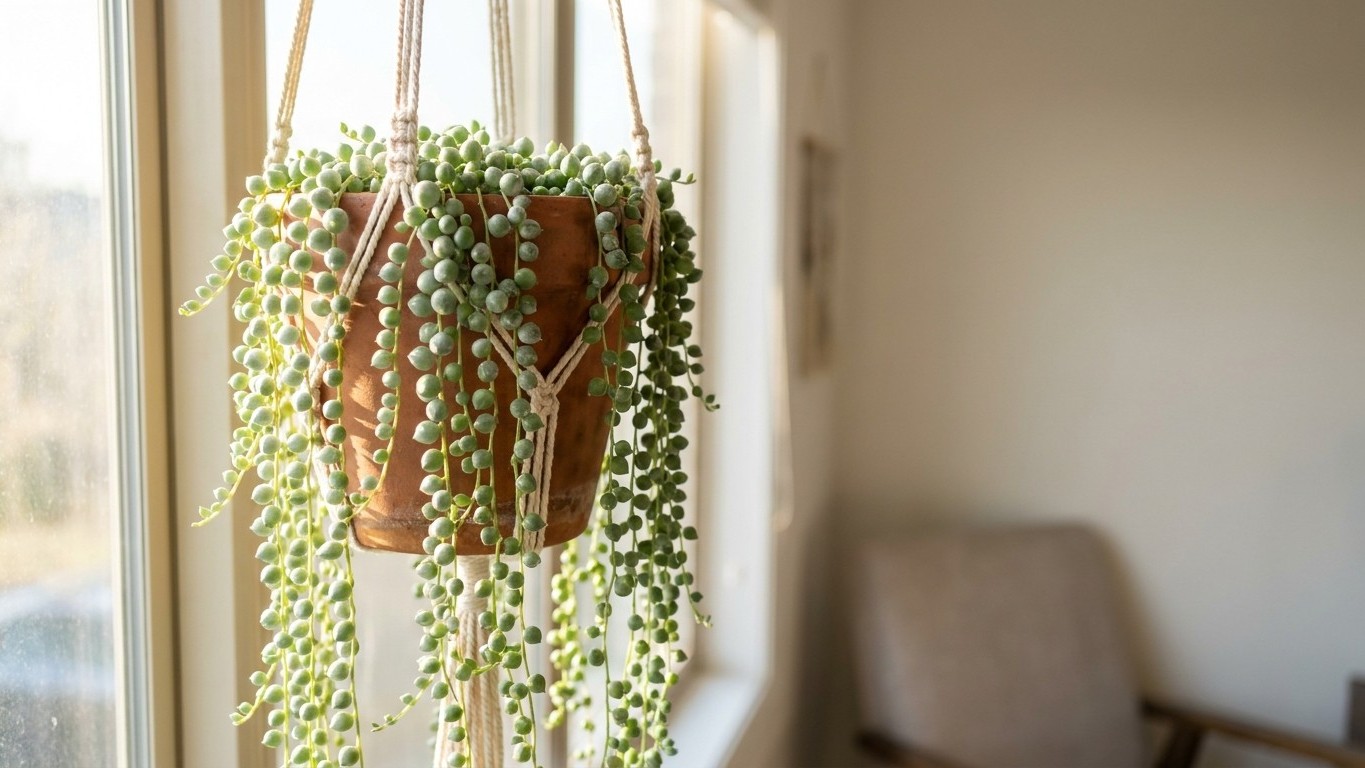
The silvery wax coating on your string of pearls isn’t just beautiful—it’s a sign your plant is thriving. But place it in the wrong room, and that same protective layer becomes a liability. Learn why bathrooms are the worst spot and where your succulent actually belongs.
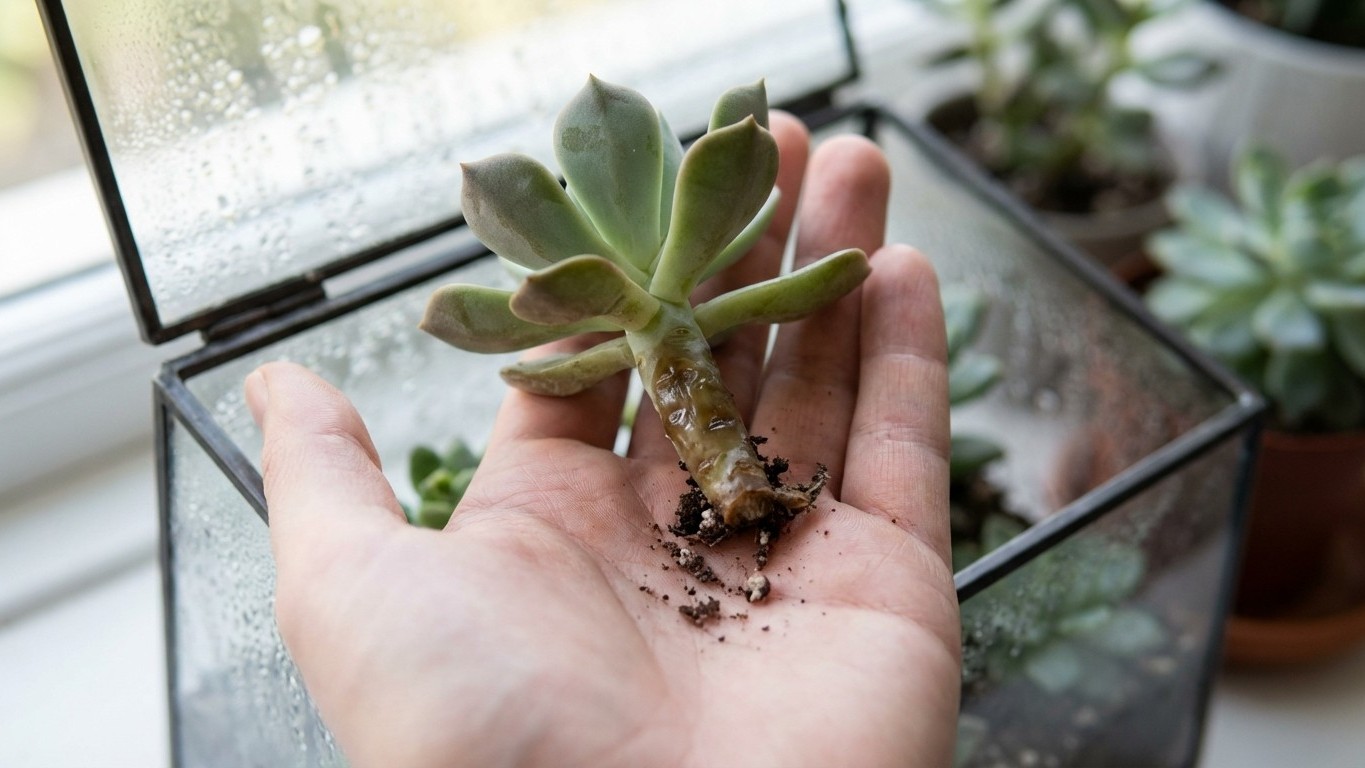
Closed terrariums look beautiful but trap moisture that succulents can’t survive. As April’s longer daylight hours trigger active growth, the humidity inside sealed glass becomes a perfect breeding ground for fungal rot. Check your plants’ stem bases now—what you find there will determine whether they survive the month.
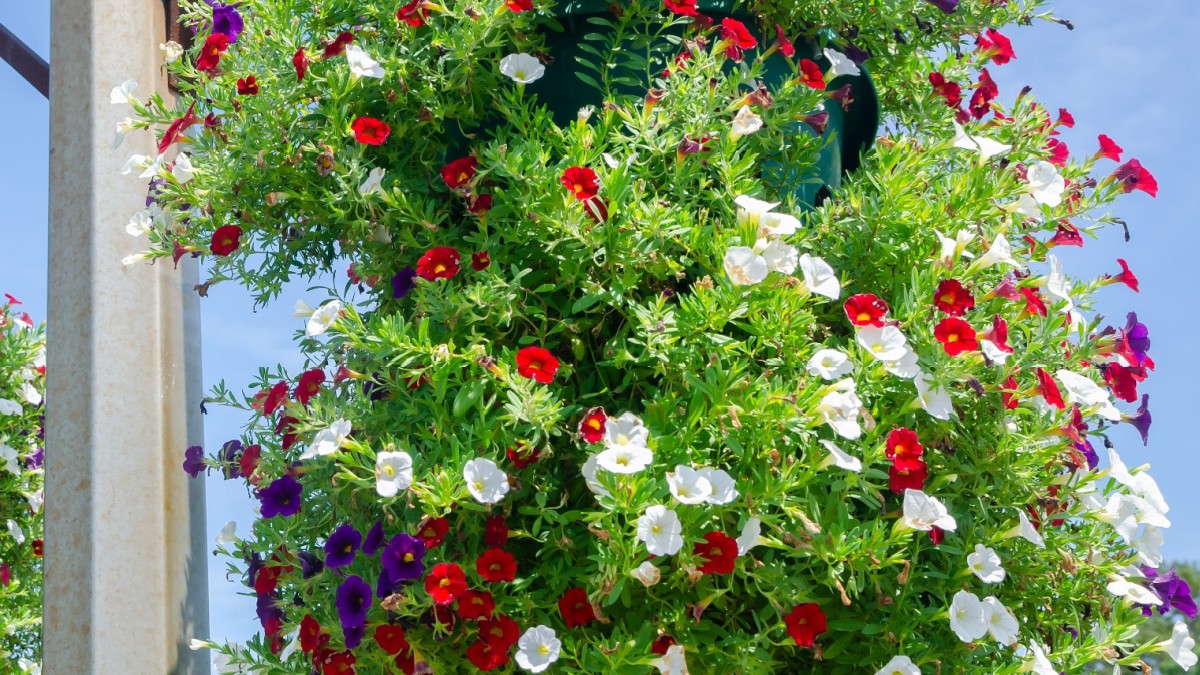
Forget finicky string of pearls. The Burro’s Tail is a sculptural trailing succulent that survives three weeks without water, thrives in dry apartments, and cascades in rope-like strands of blue-green beads. Plant now before spring growth kicks in.