Why Repotting Your ZZ Plant Into a Bigger Pot Could Kill It — And How to Do It Right

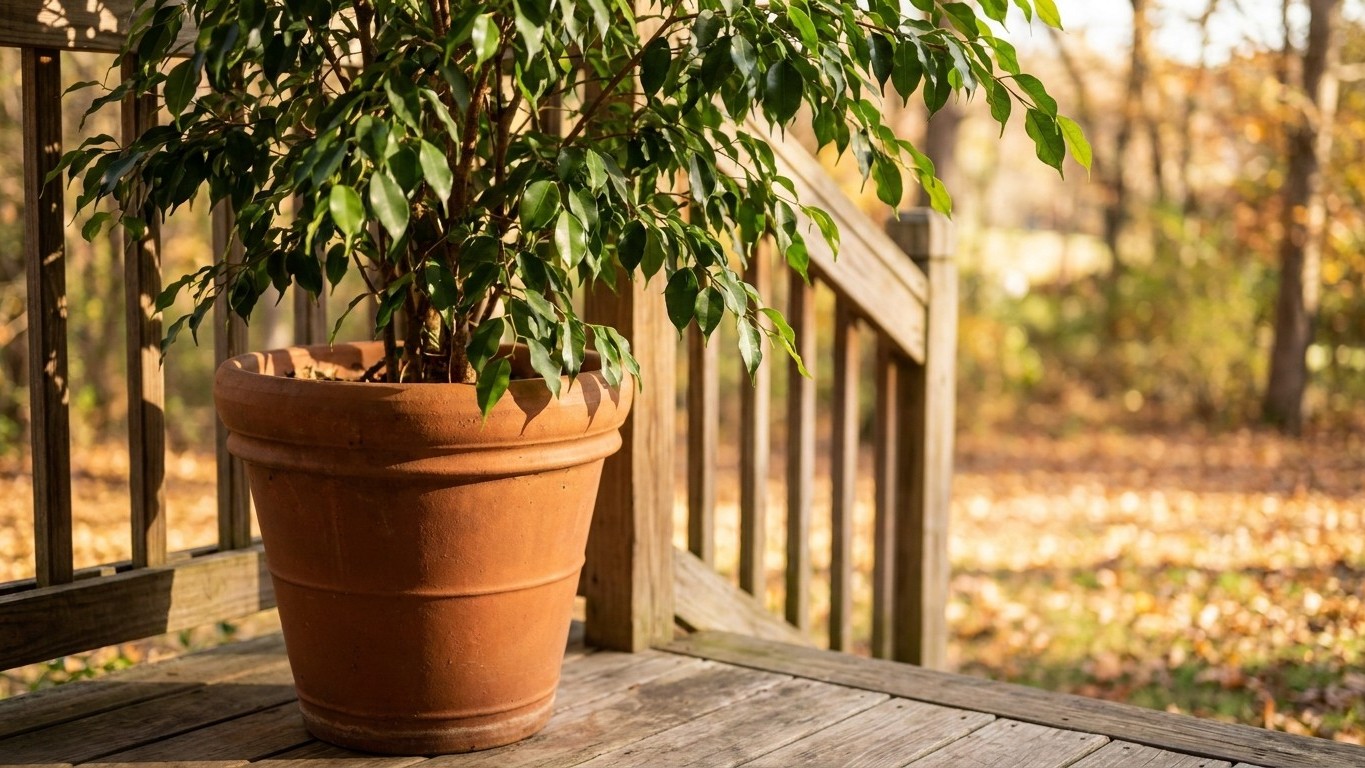
Why Repotting Your ZZ Plant Into a Bigger Pot Could Kill It — And How to Do It Right

Repotting a ZZ plant into a larger container seems like a generous gift—but it’s actually one of the fastest ways to kill it. Discover why oversized pots trigger root rot in these slow-growing plants and the precise techniques horticulturalists recommend to keep your ZZ healthy and thriving.

I Bottom-Watered My Houseplants for a Year Straight—Here’s Why They Were Actually Dying

I Bottom-Watered My Houseplants for a Year Straight—Here's Why They Were Actually Dying

A year of disciplined bottom watering seemed perfect until a white crusty layer revealed the real problem: mineral salts accumulating at the soil surface, pulling moisture from roots through osmosis. The method that’s supposed to save plants was slowly killing them.

The Raw Potato Trick That Eliminates Fungus Gnats for Good

The Raw Potato Trick That Eliminates Fungus Gnats for Good

Fungus gnats destroying your houseplants? A single raw potato slice buried in the soil can eliminate them—no sprays or toxic chemicals needed. Discover the surprising biology behind this kitchen scrap solution and why it actually works better than most commercial remedies.

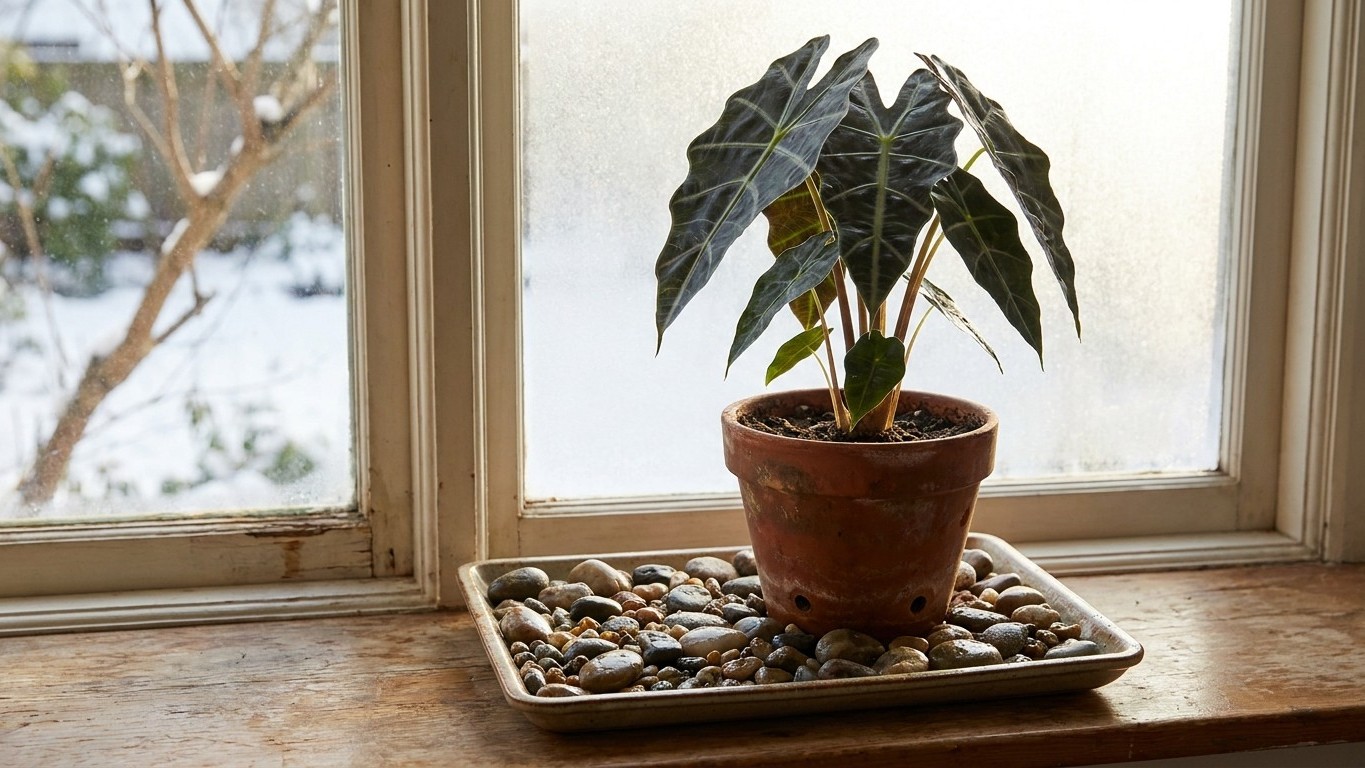
Hidden Root Rot: Why Your Orchid’s Pebbles May Be Slowly Killing It

Hidden Root Rot: Why Your Orchid's Pebbles May Be Slowly Killing It

For years, decorative pebbles beneath orchids seemed like thoughtful care—until the roots revealed the truth. What appeared as a simple humidity hack was quietly creating conditions for rot, months before leaves showed any sign of distress. Here’s what healthy orchid roots are trying to tell you.

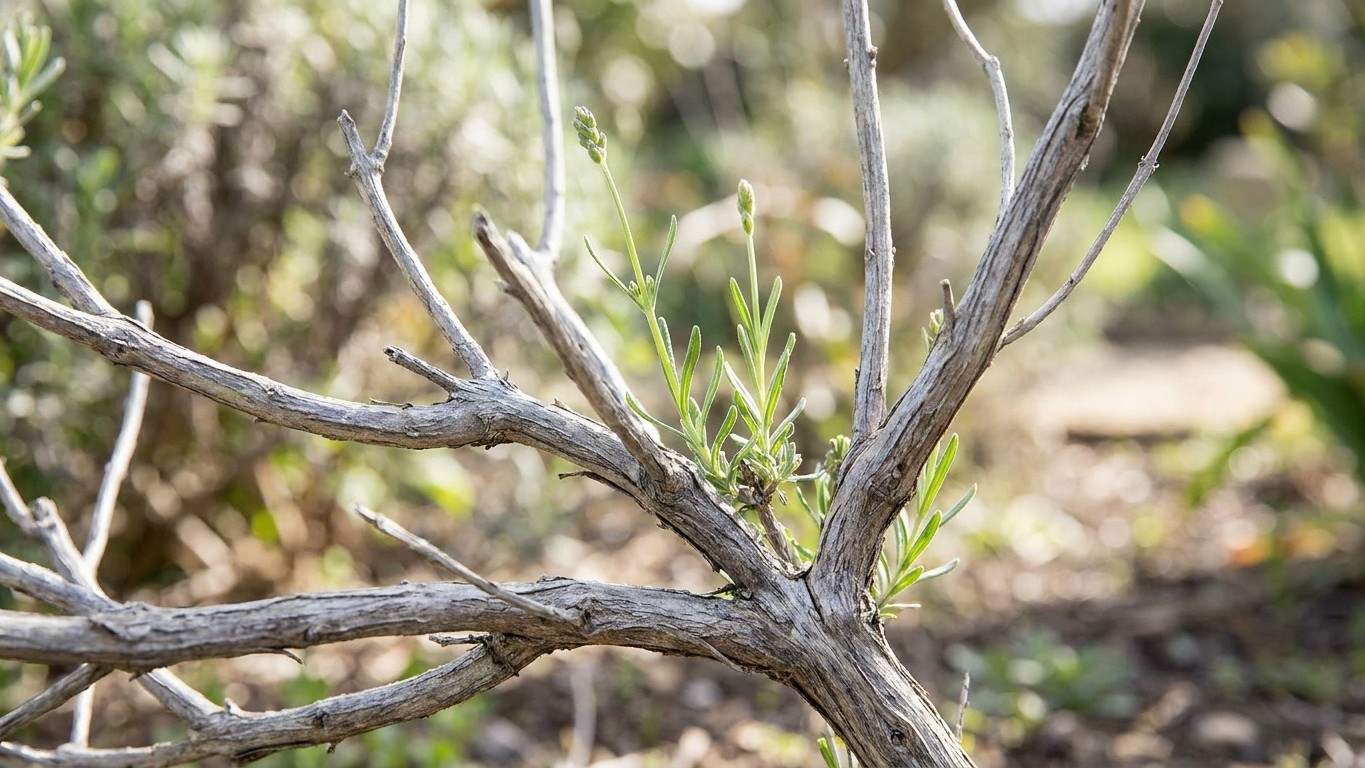
The Neglect Method: How My Neighbor’s Forgotten Herb Garden Became the Garden Envy

The Neglect Method: How My Neighbor's Forgotten Herb Garden Became the Garden Envy

Your neighbor’s overgrown herb bed isn’t a accident—it’s a strategy. Certain herbs are practically designed to thrive on neglect, spreading and returning year after year with minimal effort. Discover which perennials and self-seeders will transform your garden into a fragrant, productive sanctuary by June.

The Hidden Warning Sign Killing Your Alocasia: Why That Tiny Water Puddle Means Trouble

The Hidden Warning Sign Killing Your Alocasia: Why That Tiny Water Puddle Means Trouble

That small puddle forming where the leaf meets the stem isn’t harmless—it’s the first visible sign of conditions that lead to crown rot, fungal infection, and plant collapse. By the time you notice pooling water, the infection may already be spreading through your Alocasia’s vulnerable crown. Discover the warning signs and intervention strategies that actually work.