I rooted my pothos in a glass of water and potted it like all the others: three weeks later, when I lifted it out of the pot, I understood what had happened underneath
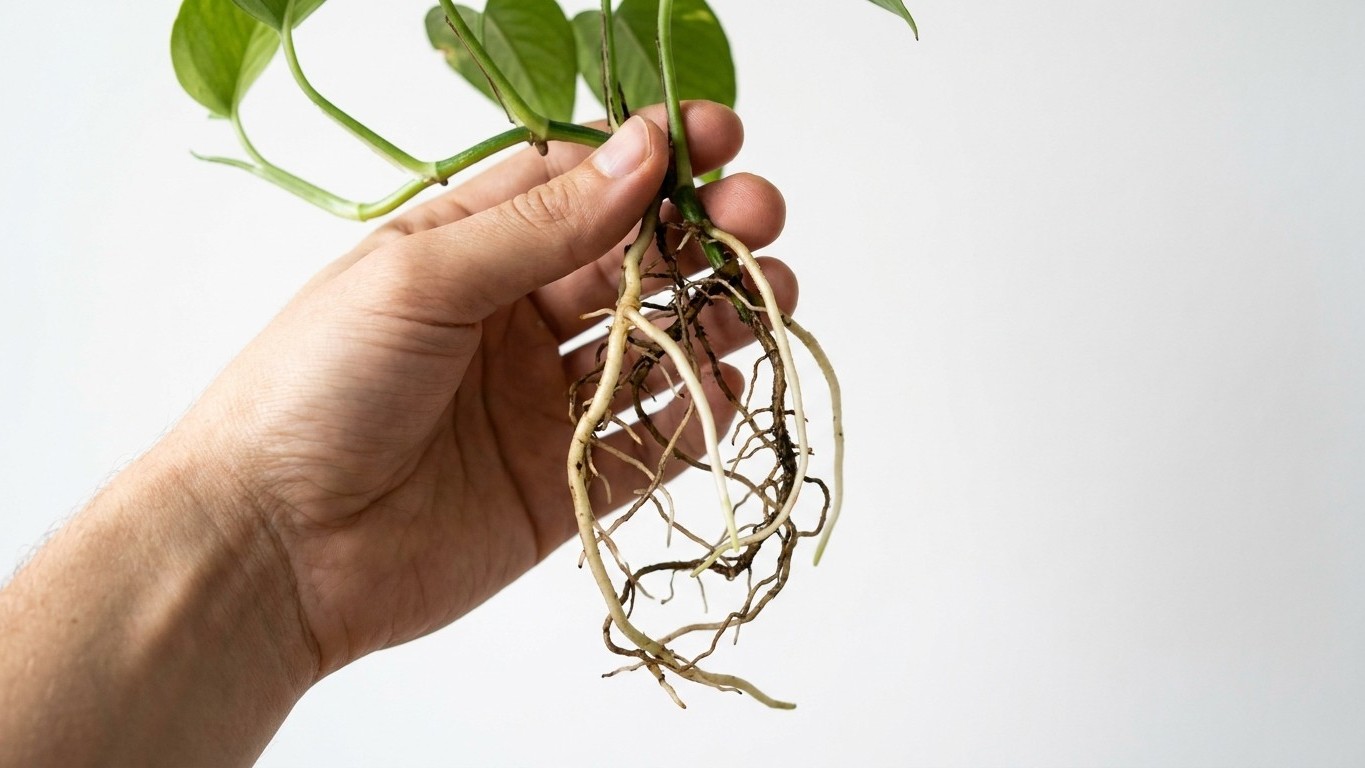
I rooted my pothos in a glass of water and potted it like all the others: three weeks later, when I lifted it out of the p...

Water roots and soil roots are fundamentally different structures built for different environments. When you transplant a water-rooted cutting to soil, your plant isn’t failing—it’s rebuilding its entire root system from scratch, and that process looks like disaster for weeks.
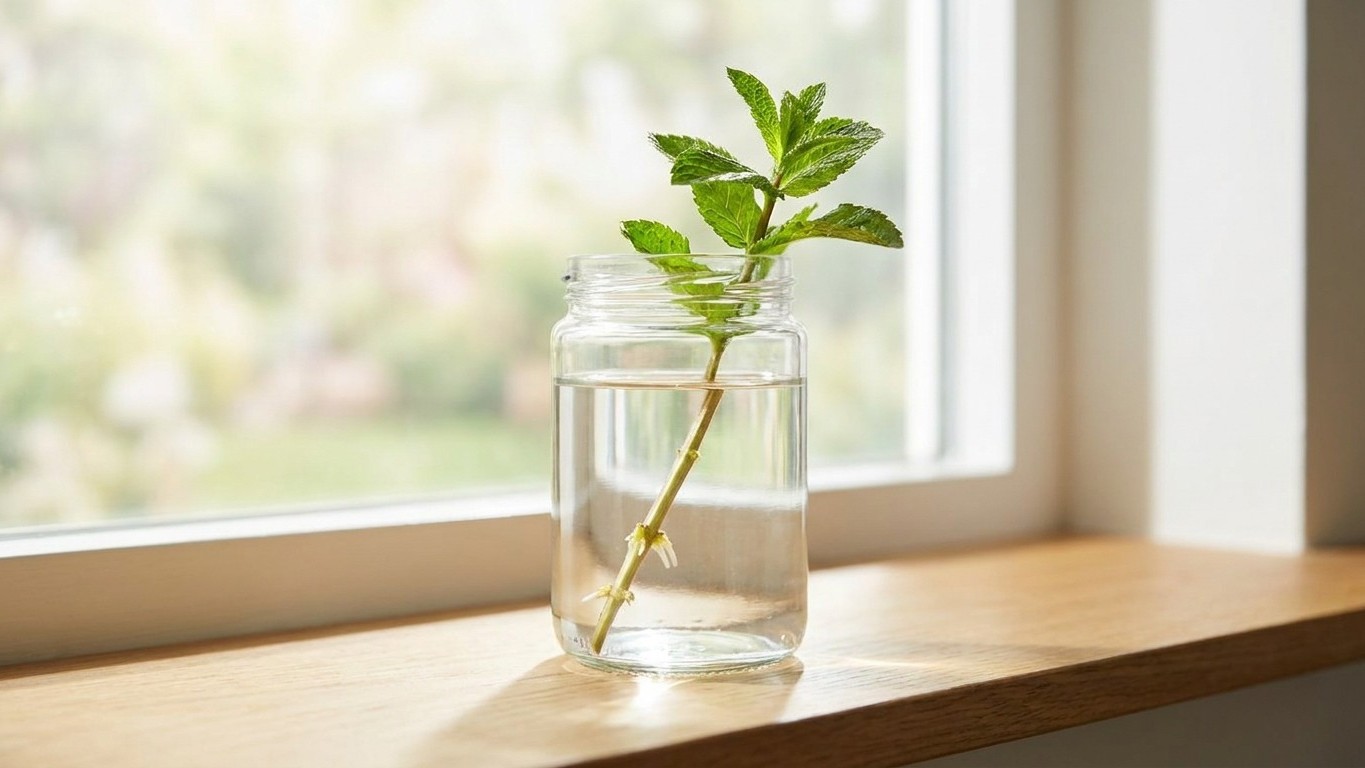
We all insist on rooting mint in a glass of water, although these roots are missing the one thing that lets them survive in soil

We all insist on rooting mint in a glass of water, although these roots are missing the one thing that lets them survive i...

That glass of water makes mint roots appear magically fast, but those aren’t the roots your plant needs for survival in soil. Water-rooted cuttings lack the microscopic root hairs essential for gripping soil particles and absorbing nutrients, causing sudden wilting within days of potting. Understanding this root transformation is the key to propagation success.

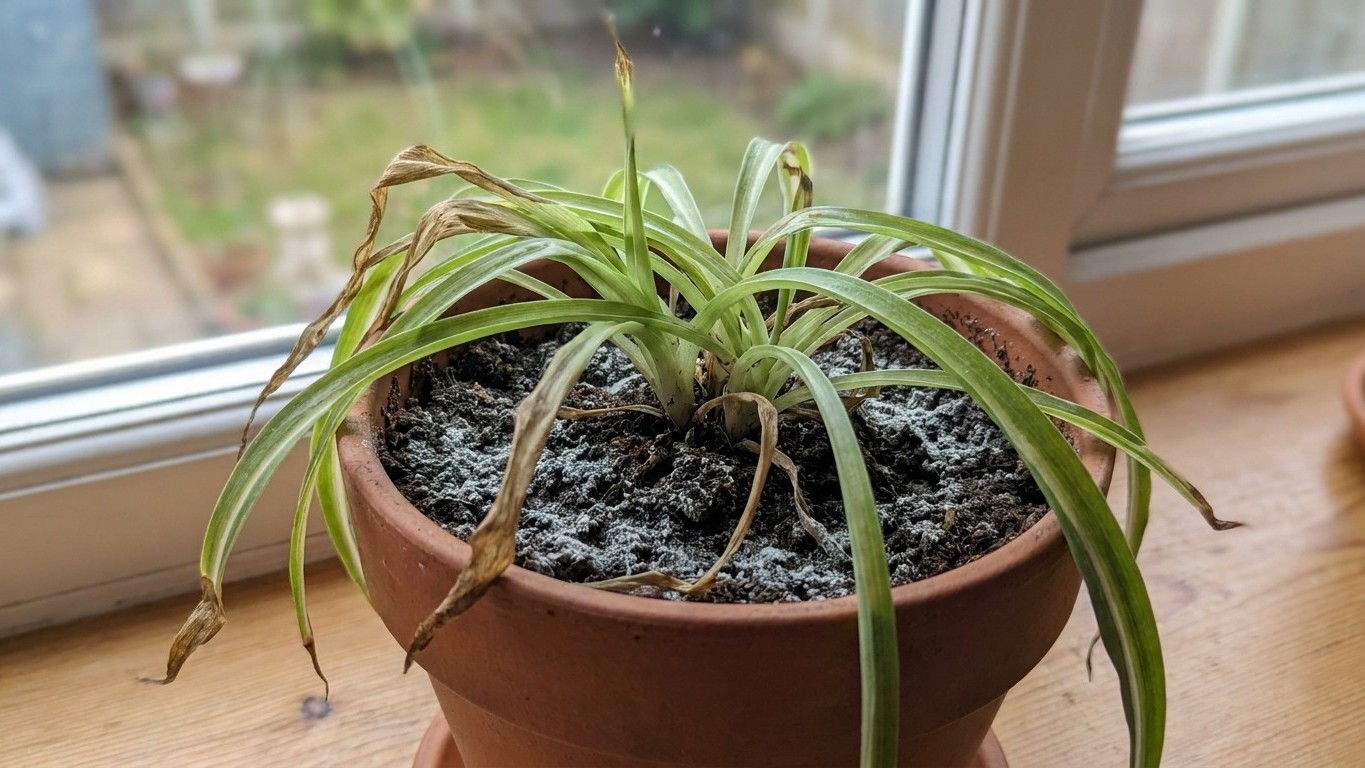
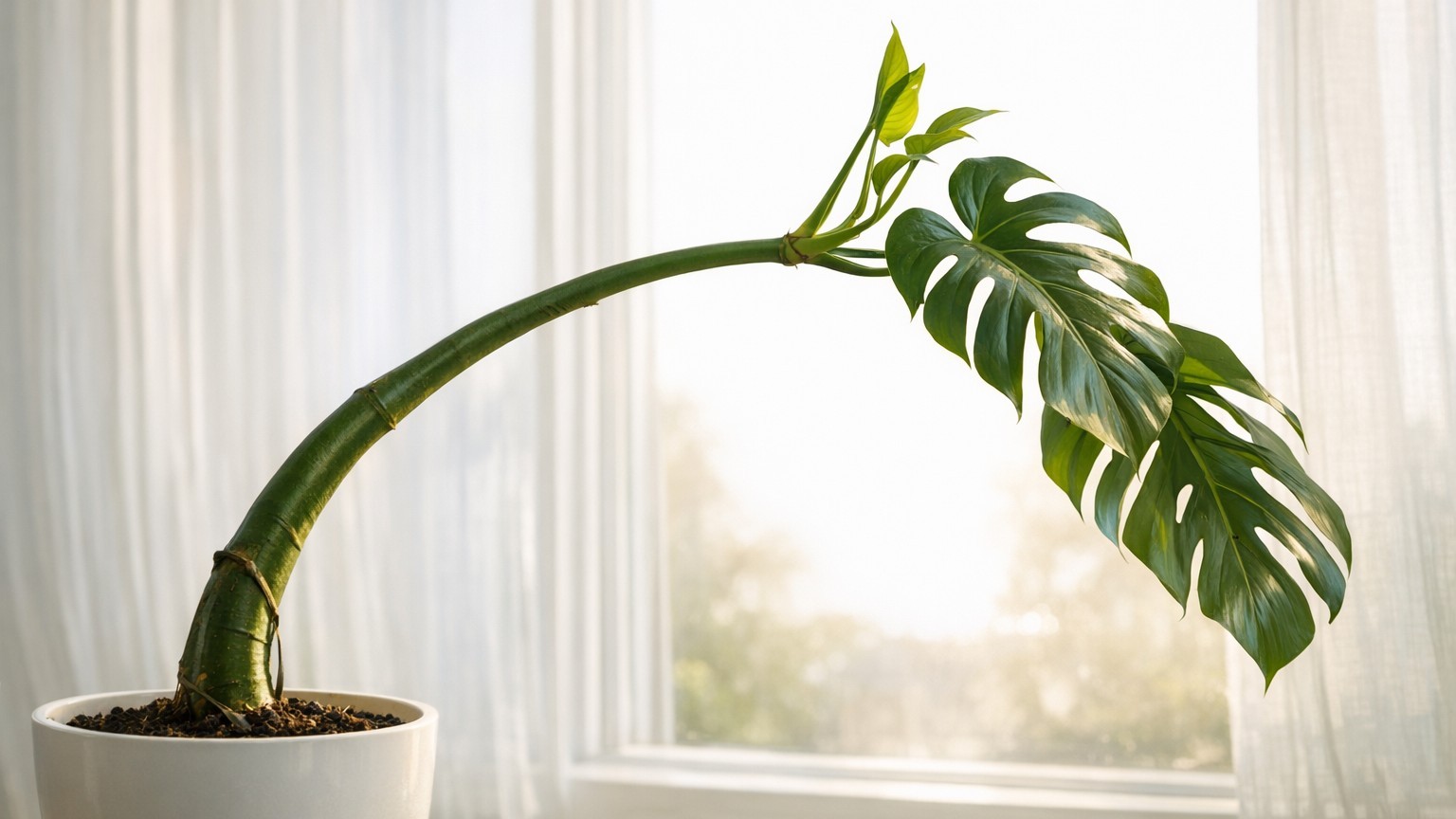
What Happens to Your Plants When You Stop Rotating Them: A Month of Neglect Reveals Nature’s Hidden Architecture

What Happens to Your Plants When You Stop Rotating Them: A Month of Neglect Reveals Nature's Hidden Architecture

A month without rotating potted plants revealed something unexpected: stems don’t just bend—they reorganize into precise curves, each layer a record of the plant’s desperate reach for light. Inside this botanical mystery lies a cellular process far more dynamic than most gardeners realize, and a rotation ritual that works best when you stop treating it like a chore.

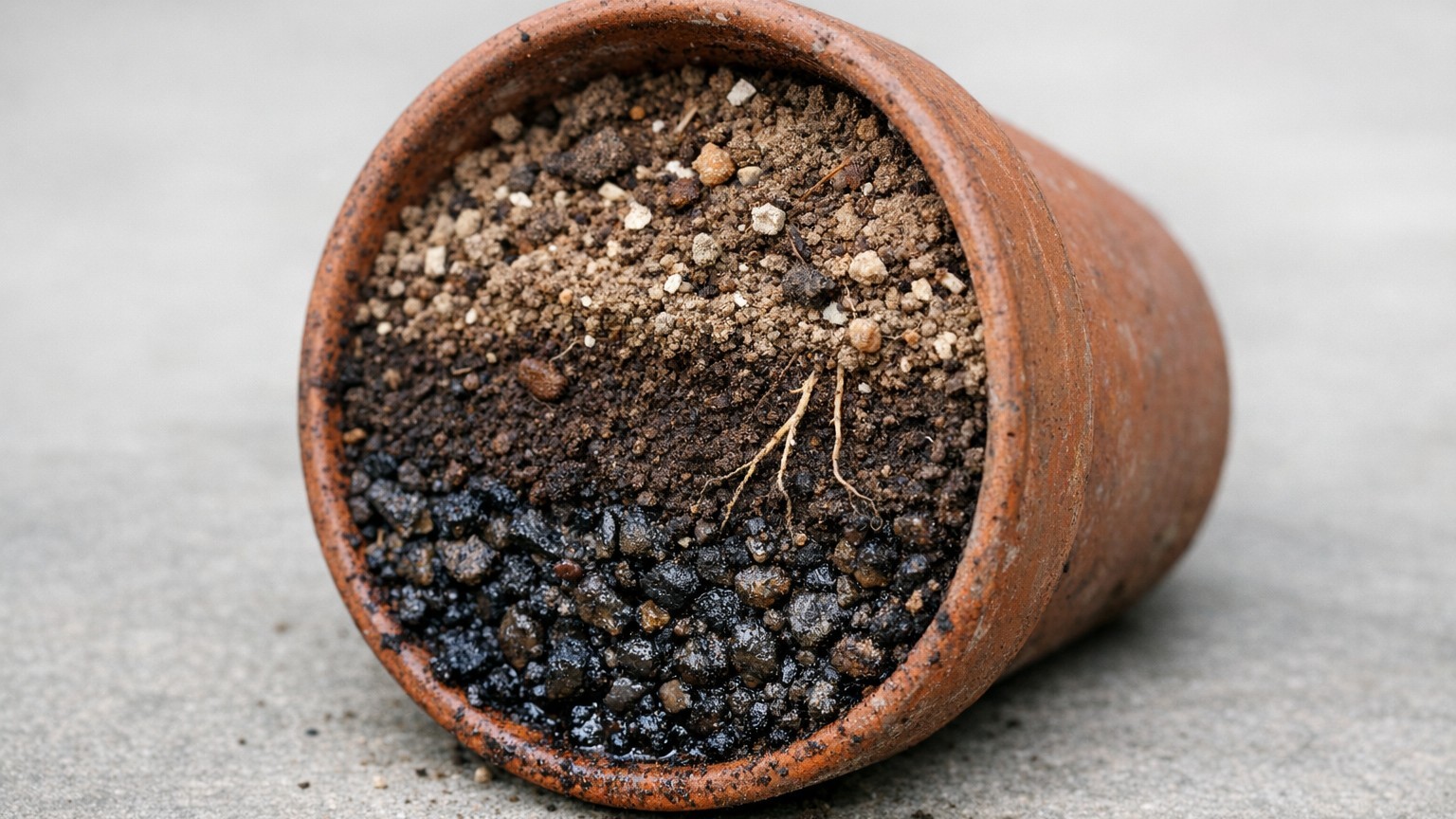
The Gravel Drainage Myth That’s Waterlogging Your Plants

The Gravel Drainage Myth That's Waterlogging Your Plants

That gravel layer at the bottom of your pot isn’t protecting roots from drowning—it’s actually trapping water and creating a soggy environment. Decades of soil science research reveals why this time-honored gardening tip backfires, and what genuinely improves drainage instead.