The Ancient Clay Pot Trick That Makes Tomatoes Thrive: Why Gardeners Are Burying Ollas Next to Their Plants

The Ancient Clay Pot Trick That Makes Tomatoes Thrive: Why Gardeners Are Burying Ollas Next to Their Plants

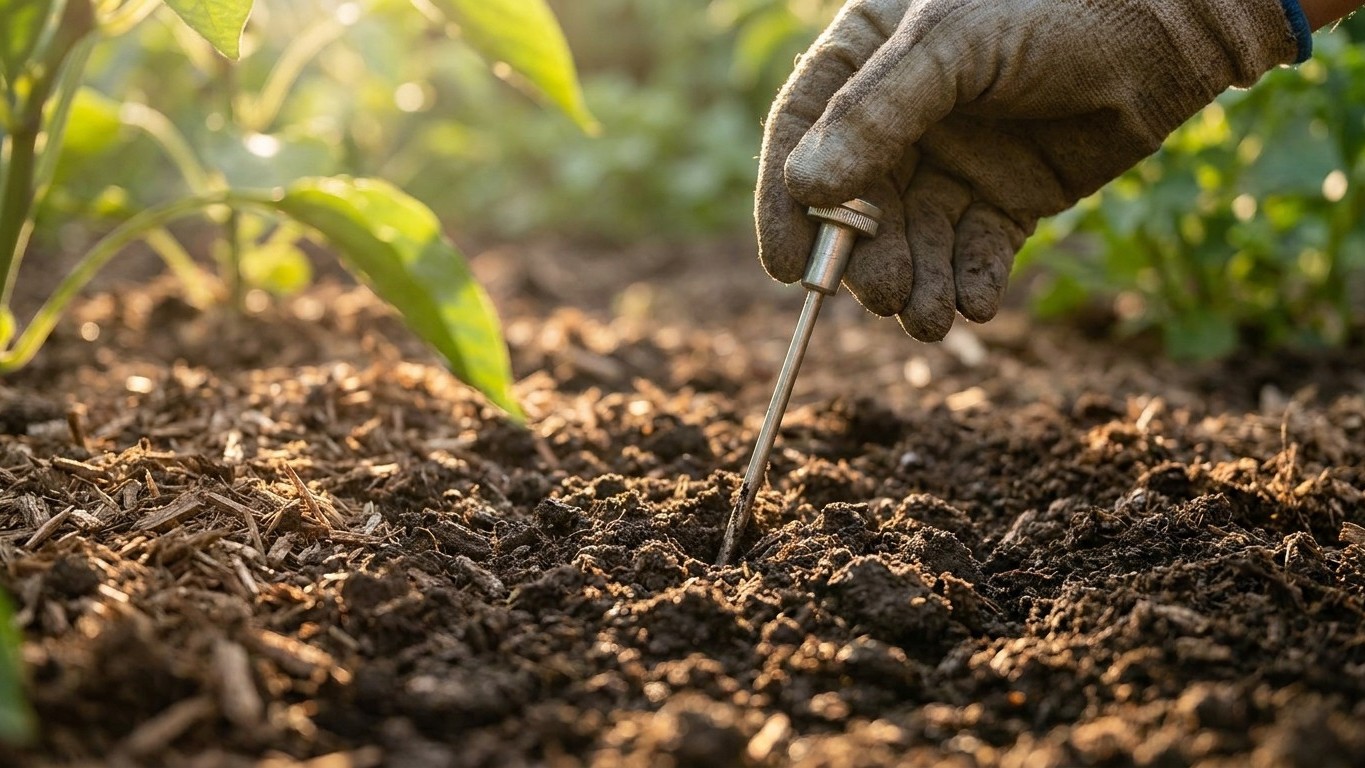
A simple buried clay pot filled with water can transform your tomato garden. When dug up after a month, it reveals a thick mat of roots actively drawing moisture from the clay—the plant’s natural response to this ancient irrigation method. No electricity, no timers, and up to 70% less water than traditional watering.

Why Leaf Shine Killed My Monstera’s Growth—And What Actually Works

Why Leaf Shine Killed My Monstera's Growth—And What Actually Works

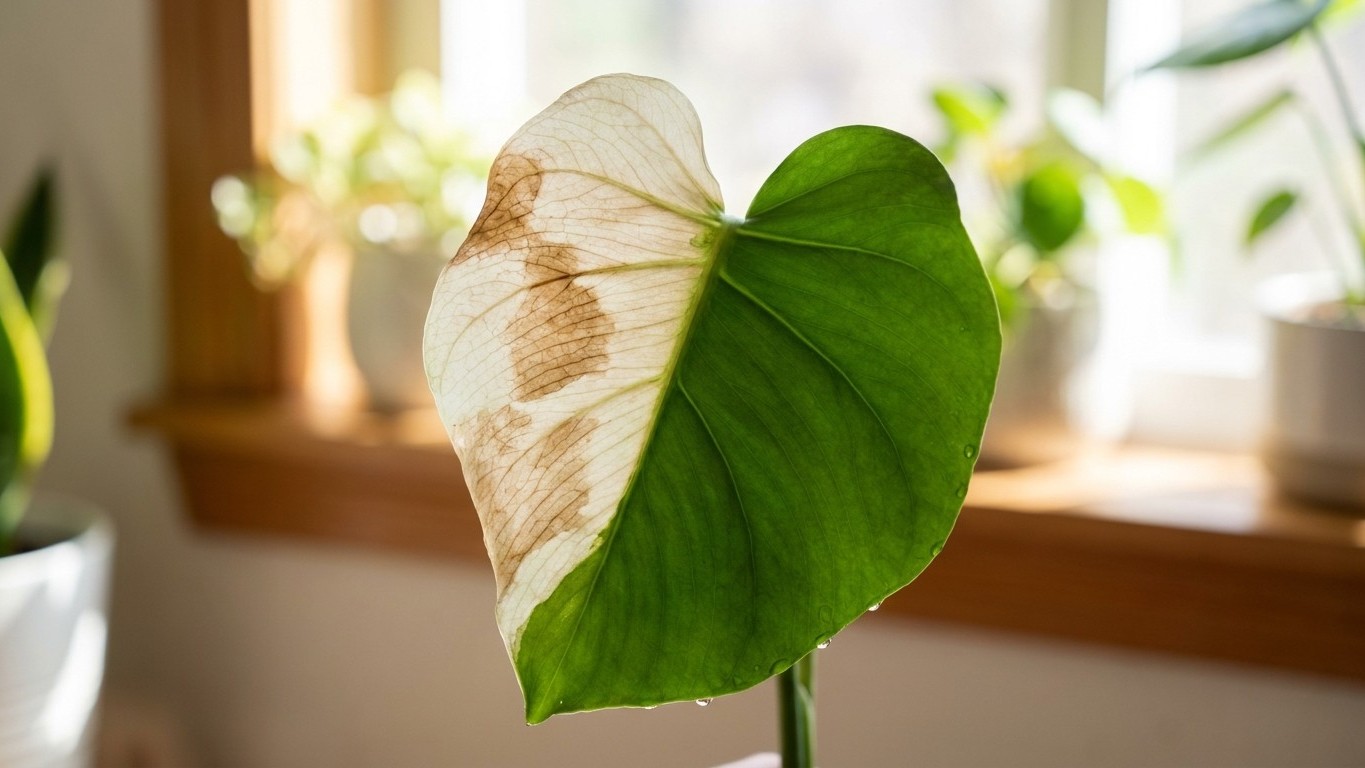
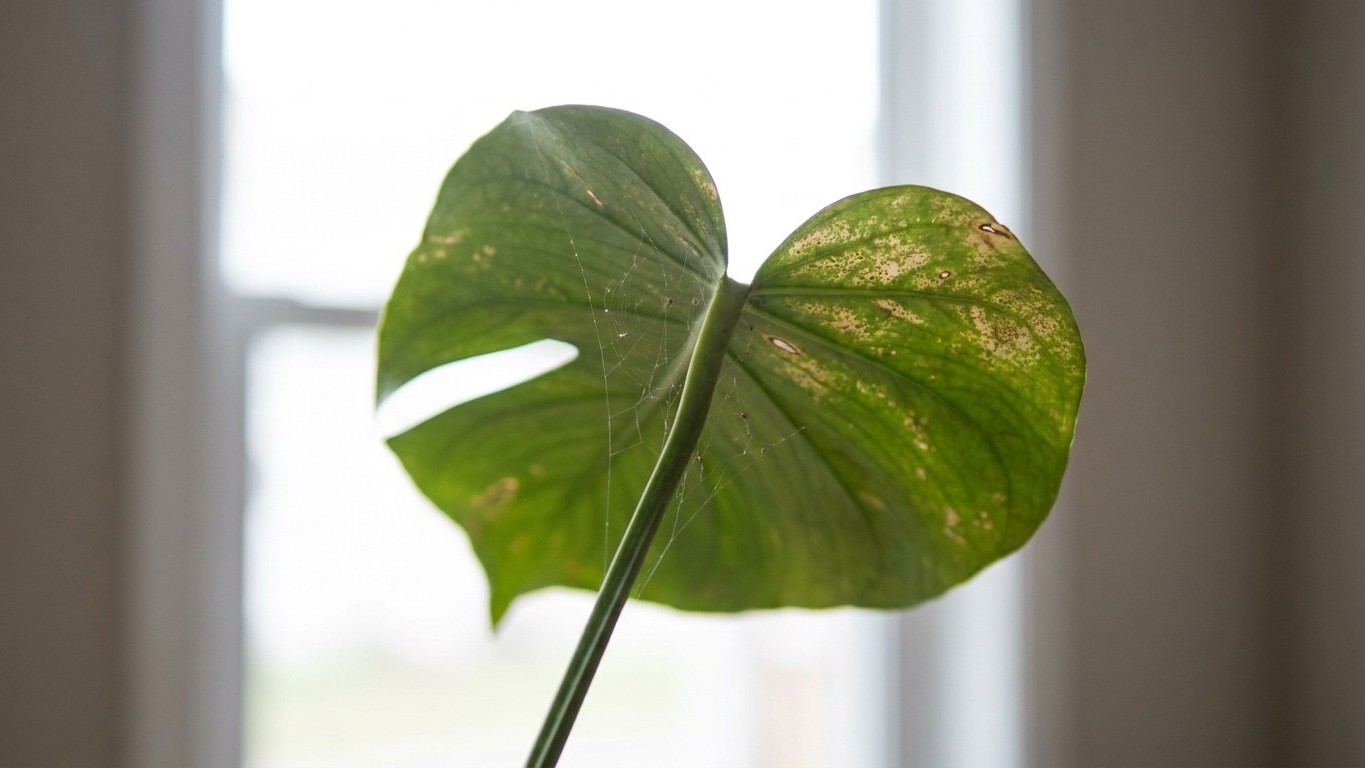
Leaf shine sprays promise glossy foliage but deliver a silent killer: they seal the microscopic pores plants need to breathe, photosynthesis, and grow. One gardener’s accidental discovery reveals why new growth stopped cold—and how to restore it with just water and a cloth.

Why Moving Your Plants Away From Windows Could Be Killing Them: The Forgotten Science Behind Thermal Mass Gardening

Why Moving Your Plants Away From Windows Could Be Killing Them: The Forgotten Science Behind Thermal Mass Gardening

Most houseplant owners instinctively pull plants away from sunny windows during summer heat—a well-intentioned mistake that could be starving them of light. A simple gardening principle rooted in 17th-century France reveals why thermal mass walls create microclimates that dramatically improve plant growth, and why positioning matters far more than distance.

Why Terracotta Is Killing Your Calathea (And What to Use Instead)

Why Terracotta Is Killing Your Calathea (And What to Use Instead)

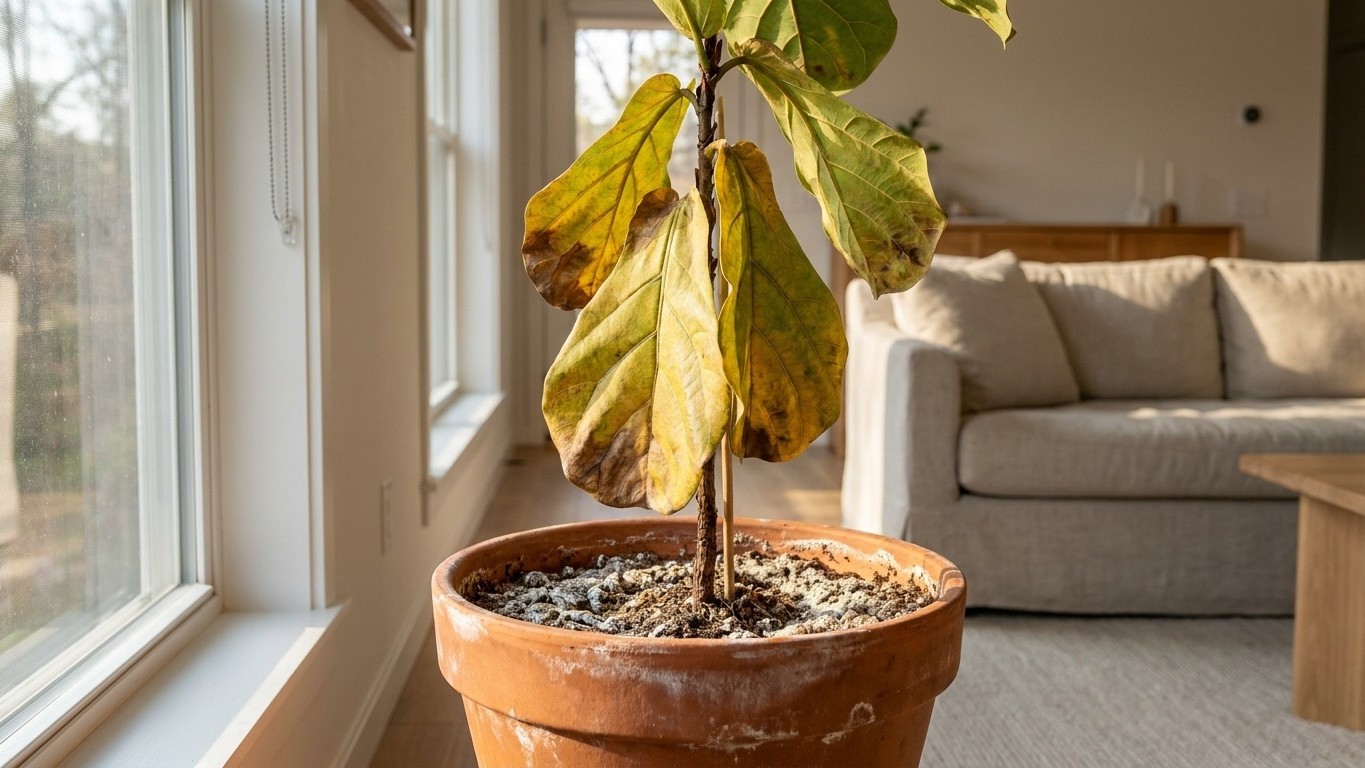
Terracotta’s reputation as the gold standard for houseplants hides a critical flaw for tropical species like calatheas. The porous clay actively pulls moisture from soil, accelerating evaporation and creating hidden drought stress that shows up as crispy leaf edges. Switching to glazed ceramic or plastic could transform your plant’s health in a single season.

The Decorative Pot Trap: Why Your Plant Is Drowning While the Topsoil Looks Dry

The Decorative Pot Trap: Why Your Plant Is Drowning While the Topsoil Looks Dry

A florist’s discovery revealed a silent killer hiding in plain sight: decorative pots with no drainage holes trap water beneath the soil surface, causing roots to rot while the topsoil screams for water. This common mistake affects more houseplants than any pest or disease.

Why Daily Plant Watering Kills: The Hidden Root Strangling Nobody Notices Until It’s Too Late

Why Daily Plant Watering Kills: The Hidden Root Strangling Nobody Notices Until It's Too Late

Months of daily watering left this gardener’s houseplants slowly suffocating in stagnant water. What looked like a tired plant above ground was actually a root system strangling itself—a common mistake with a simple fix that most plant owners never discover.

Why Coffee Grounds on Houseplants Backfired: The Fungus Gnat Explosion Explained

Why Coffee Grounds on Houseplants Backfired: The Fungus Gnat Explosion Explained

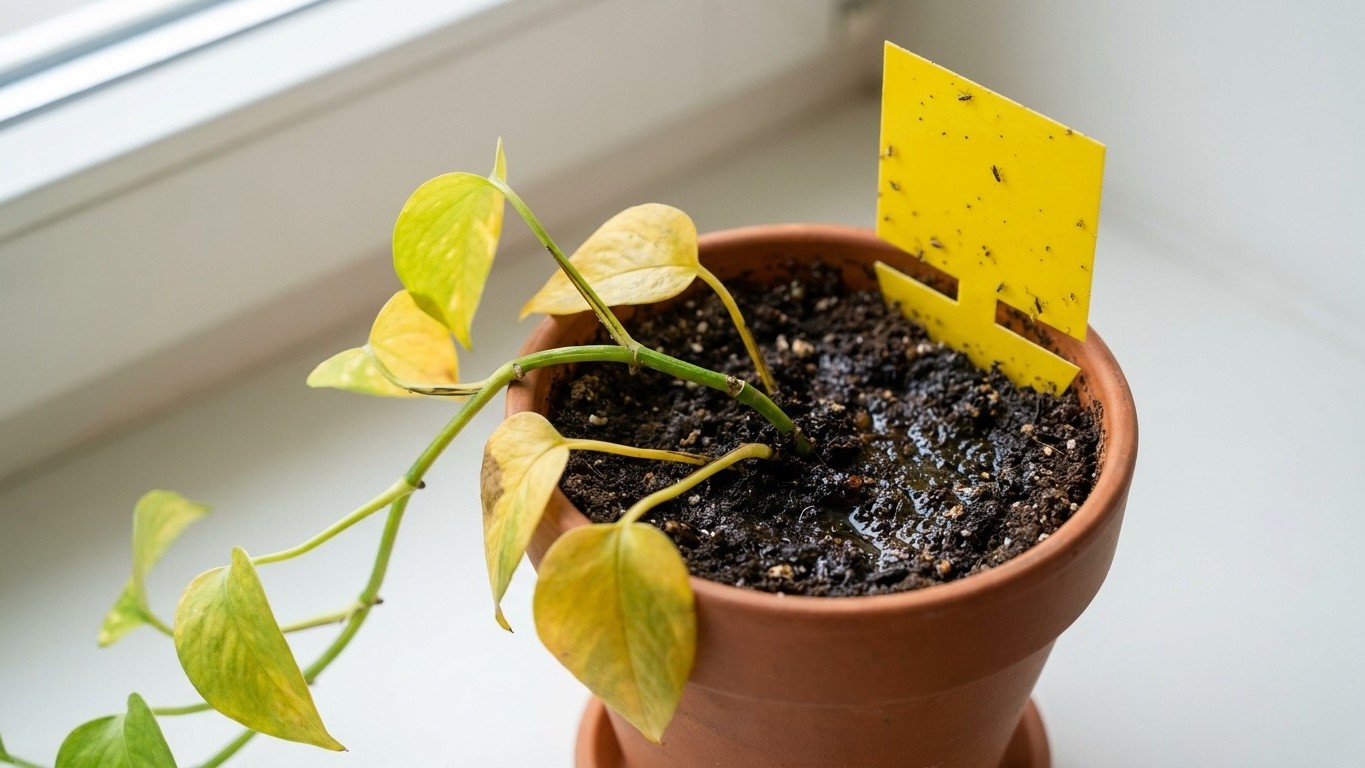
Coffee grounds seemed like the perfect natural fertilizer for houseplants—until a month later when tiny flies swarmed everywhere. The culprit? A perpetually damp layer that creates an ideal breeding ground for fungus gnats. Learn what went wrong and how to fix it.

Why Your Peace Lily Dies Under the AC Vent: A Guide to Saving It

Why Your Peace Lily Dies Under the AC Vent: A Guide to Saving It

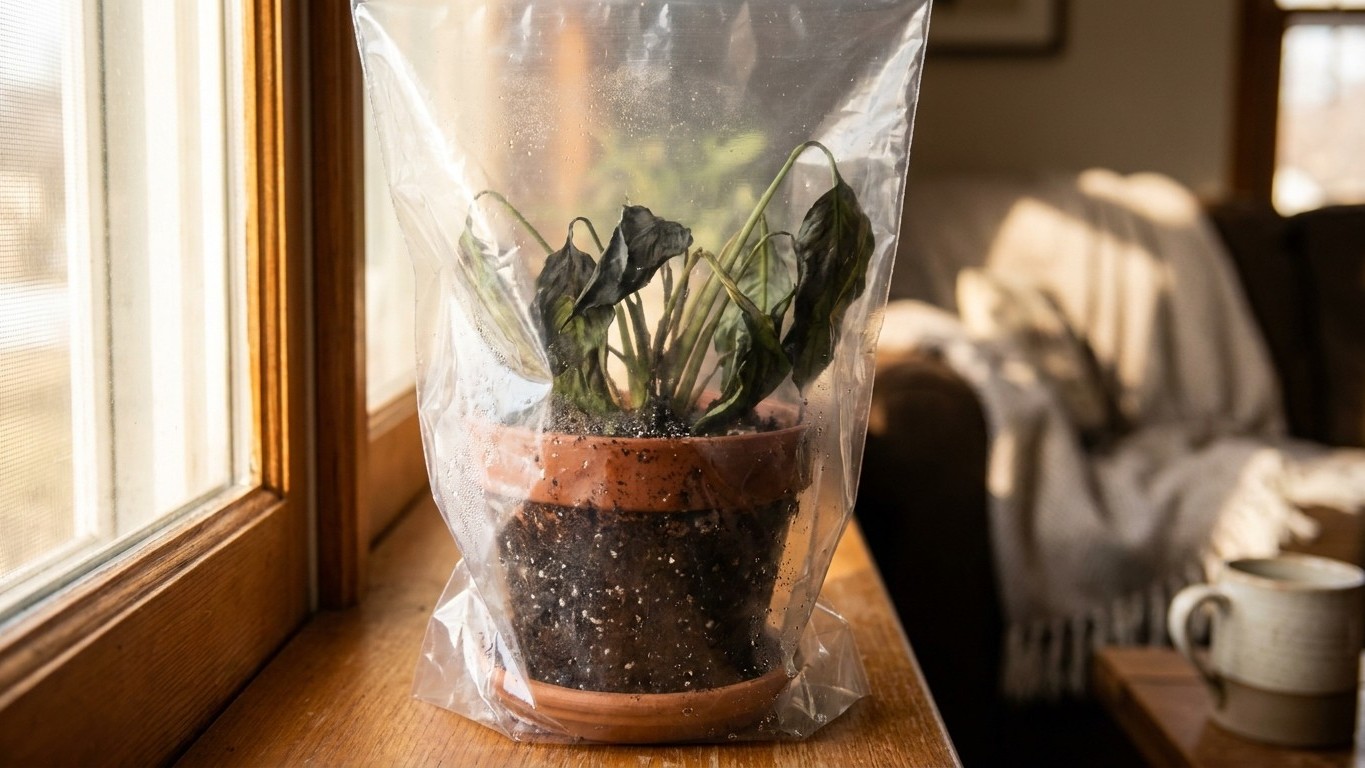
Placing a peace lily under an air conditioning vent creates the perfect storm of cold stress and extreme dryness—conditions that trigger rapid leaf drop. The plant isn’t failing; it’s responding predictably to tropical physiology meeting harsh indoor conditions. Learn the warning signs, ideal placement, and how to revive a stressed plant.

Why Your Mulched Indoor Plants Are Drowning: The Hidden Dangers of Sealing Soil Indoors

Why Your Mulched Indoor Plants Are Drowning: The Hidden Dangers of Sealing Soil Indoors

You mulched your indoor pots to beat the heatwave, but a month later, the soil is waterlogged and roots are rotting. Mulch works differently indoors than outdoors—without wind, sun, and natural drainage, it becomes a moisture trap that suffocates plant roots and breeds fungus and mold.