Stop Using Gravel at the Bottom of Your Pots—It’s Actually Drowning Your Roots

Stop Using Gravel at the Bottom of Your Pots—It's Actually Drowning Your Roots

That layer of clay balls or gravel you’ve been adding to the bottom of your pots? It’s not helping—it’s creating a waterlogged trap that suffocates roots. Soil physics reveals the perched water table problem that’s been drowning houseplants for decades.

After the Clock Change, Your Houseplants Are Already Burning: Here’s the One Leaf Sign You’re Missing

After the Clock Change, Your Houseplants Are Already Burning: Here's the One Leaf Sign You're Missing

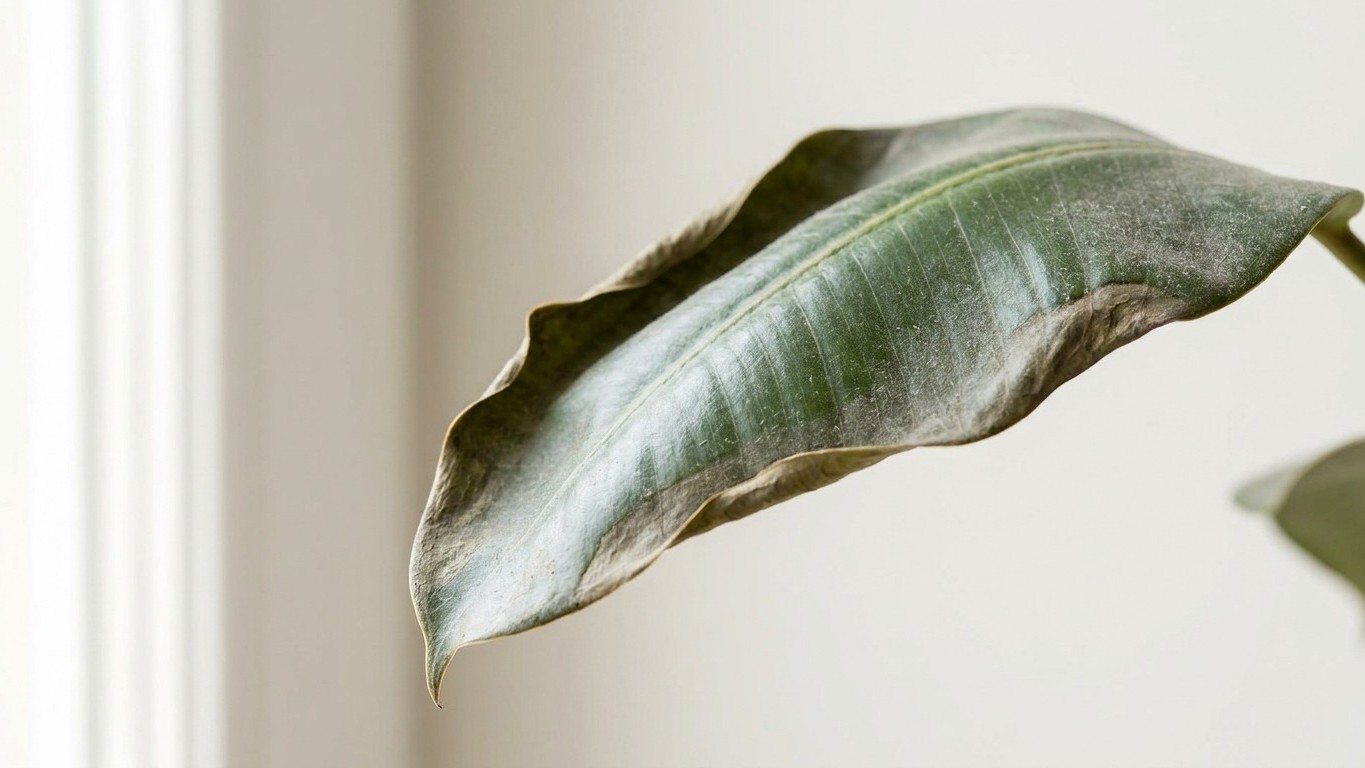
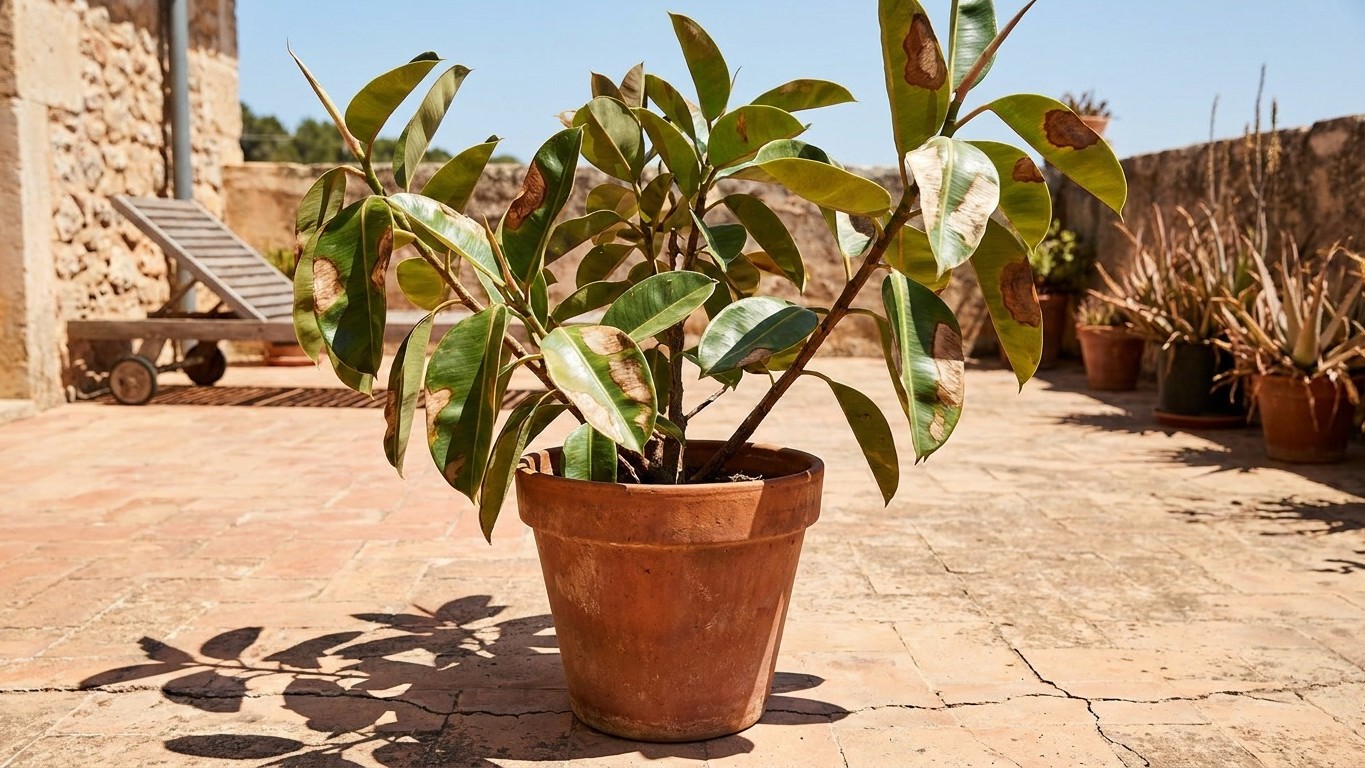
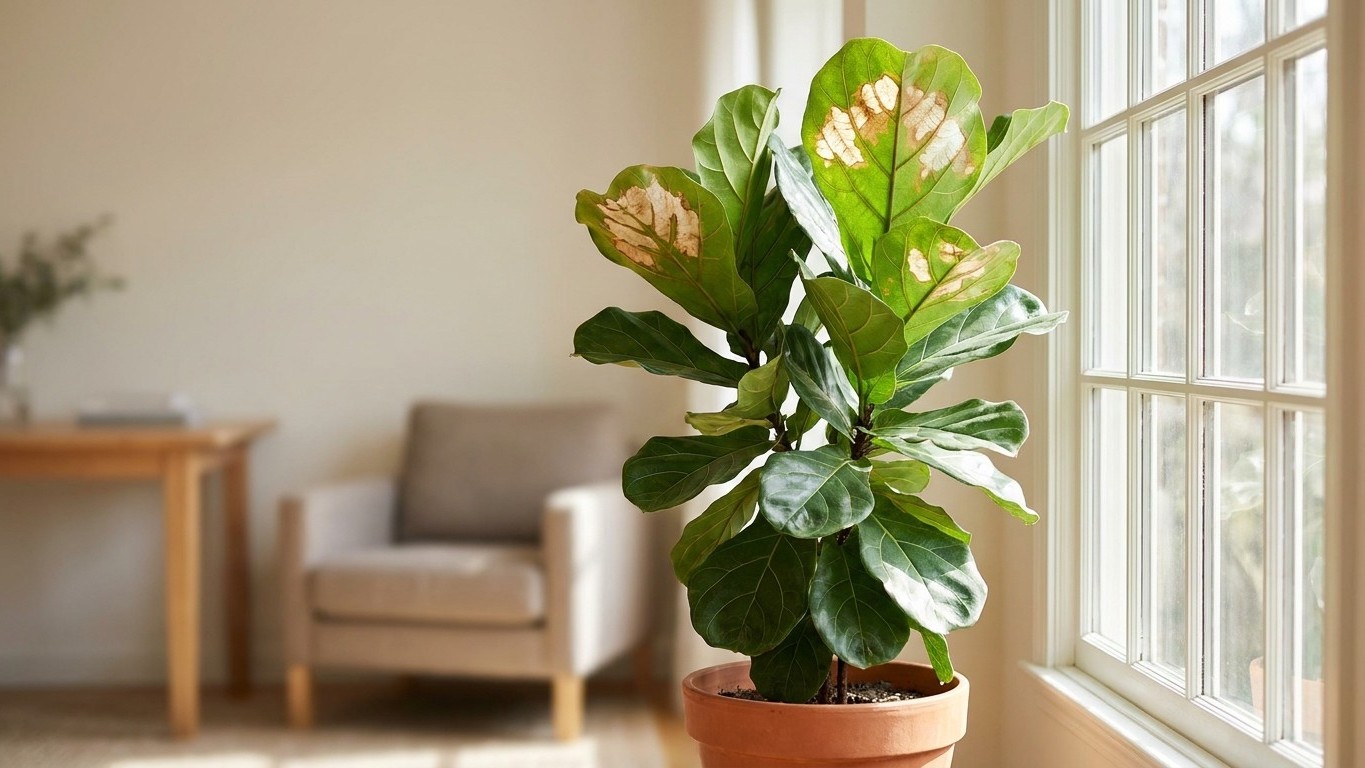
When clocks spring forward, your houseplants face sudden, intense light they weren’t prepared for. Brown, papery leaf edges are the first warning sign—and it’s already happening. Discover how to recognize sunburn and save your tropical plants before new growth emerges.

Stop Repotting on Schedule: The Root Sign That Actually Matters

Stop Repotting on Schedule: The Root Sign That Actually Matters

A nursery worker revealed the single root sign that determines whether your plant needs repotting—and it has nothing to do with the calendar. For three years, a gardener was repotting on autopilot until discovering most of their plants were thriving in their current containers. The shift from scheduled care to observation changed everything.

Roots Screaming for Help: Why Plants Break Out of Their Pots and What It Really Means

Roots Screaming for Help: Why Plants Break Out of Their Pots and What It Really Means

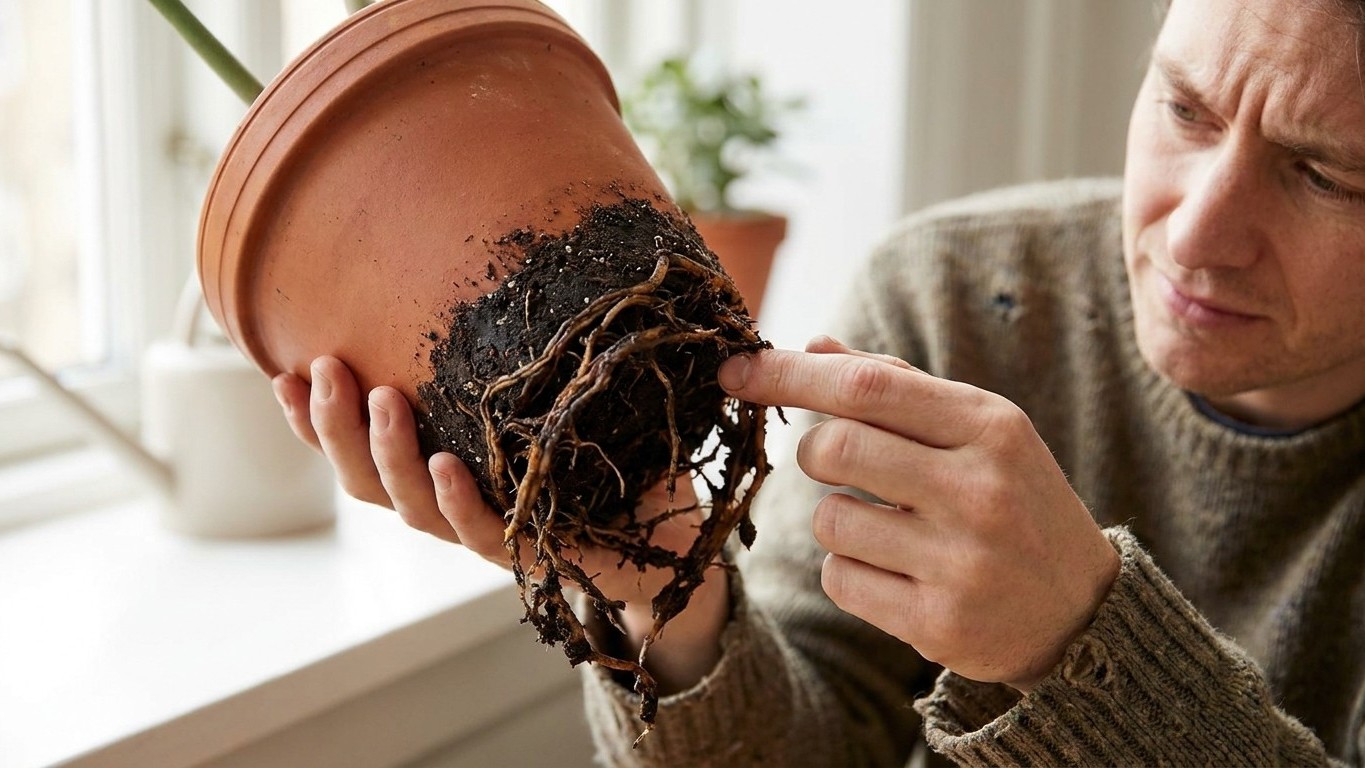
Those roots creeping out of your pot’s drainage hole aren’t on an adventure—they’re suffocating refugees from an overcrowded container. Discover what root-bound plants are actually telling you, how to diagnose the problem correctly, and the repotting mistakes that could set your plant back months.

That White Fuzz on Your Plant Soil Isn’t Mold — It’s a Warning Sign of Something Worse

That White Fuzz on Your Plant Soil Isn't Mold — It's a Warning Sign of Something Worse

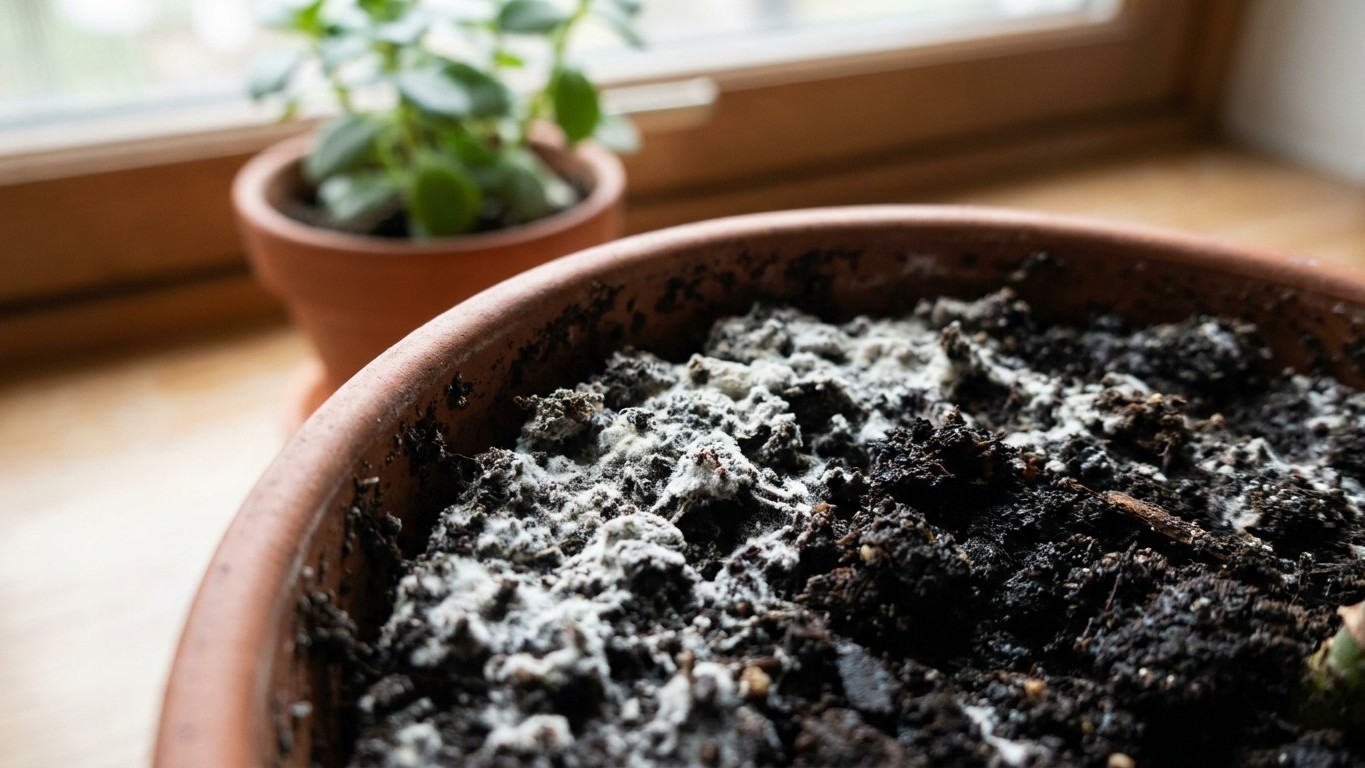
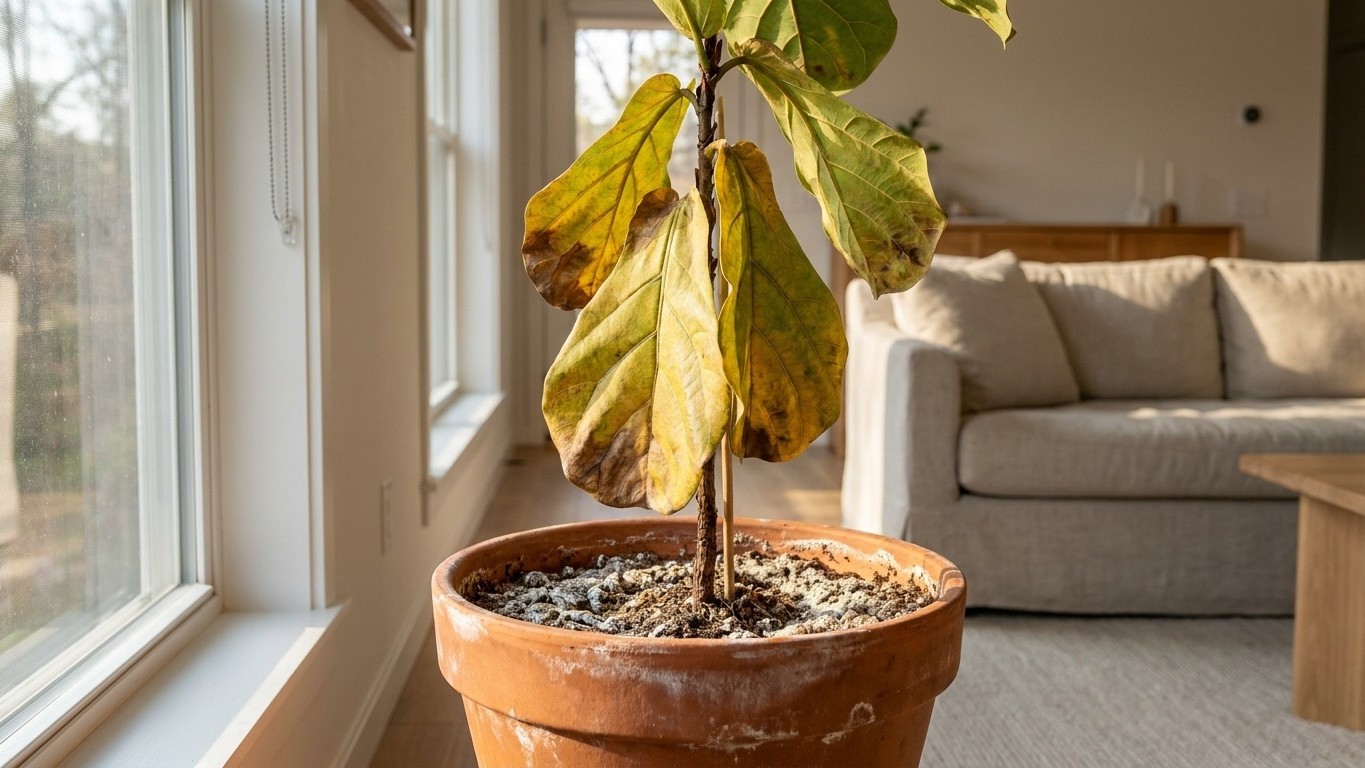
That innocent-looking white fuzz spreading across your plant soil isn’t harmless mold — it’s a red flag signaling overwatering and the perfect breeding ground for fungus gnats. Learn what it really is, why it matters, and the simple fixes using ingredients already in your kitchen.

Years of Tap Water Left Hidden Damage on My Plants—Until I Finally Saw the Signs

Years of Tap Water Left Hidden Damage on My Plants—Until I Finally Saw the Signs

White leaf stains, brown tips, and yellowing edges plagued your plants for years—but the culprit was hiding in plain sight. The minerals, fluoride, and chlorine in tap water accumulate silently, triggering symptoms that look like disease or neglect. Here’s how to read the damage and finally fix it.

Grandma’s Houseplants Are Back: Why Interior Designers Are Obsessed With 1970s Botanical Style

Grandma's Houseplants Are Back: Why Interior Designers Are Obsessed With 1970s Botanical Style

The Monstera deliciosa, spider plant, and rubber tree your grandmother kept alive are now the most coveted plants in modern interior design. This isn’t just nostalgia—designers are embracing bold, resilient botanical statements that reject minimalism. Discover why these unkillable classics have become the ultimate design status symbol.

Stop Killing Plants at Your Door: These Houseplants Actually Thrive in Drafty Entryways

Stop Killing Plants at Your Door: These Houseplants Actually Thrive in Drafty Entryways

Winter leaf drop doesn’t have to be inevitable. Instead of fighting your drafty entryway, choose plants actually built for fluctuating temperatures—cast iron plants, snake plants, and ZZ plants thrive where others wilt. The secret isn’t just the right plant, it’s smarter placement and pot management.

The Silent Signs Your Houseplant Is Drowning: Why Your Sunday Watering Routine Is Killing It

The Silent Signs Your Houseplant Is Drowning: Why Your Sunday Watering Routine Is Killing It

You’re watering on schedule, but your plant is suffocating. Yellow mushy leaves, sour soil smell, and waterlogged roots are the silent killers of houseplants. Learn to read your plant’s distress signals before it’s too late.

I Ditched Potting Soil and My Houseplants Have Never Been Happier—Here’s Why Water Culture Actually Works

I Ditched Potting Soil and My Houseplants Have Never Been Happier—Here's Why Water Culture Actually Works

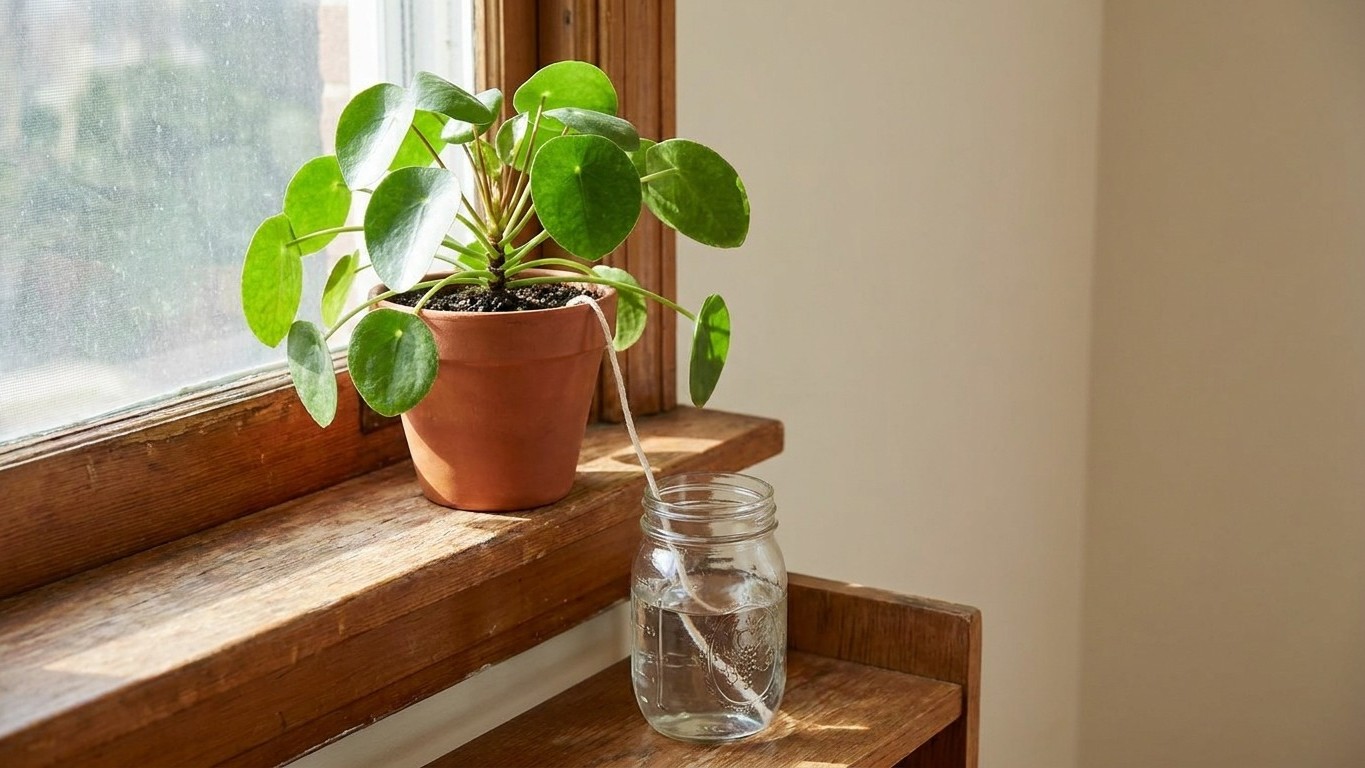
What if the potting soil your houseplants sit in is actually working against them? One gardener’s accidental discovery of hydroculture—growing plants permanently in water—revealed that many tropical houseplants don’t just survive without soil, they genuinely flourish. Here’s the science, the best plants for the method, and exactly how to make the switch.