I Applied Coffee Grounds to My Houseplants for a Year—Here’s What Happened to the Roots

I Applied Coffee Grounds to My Houseplants for a Year—Here's What Happened to the Roots

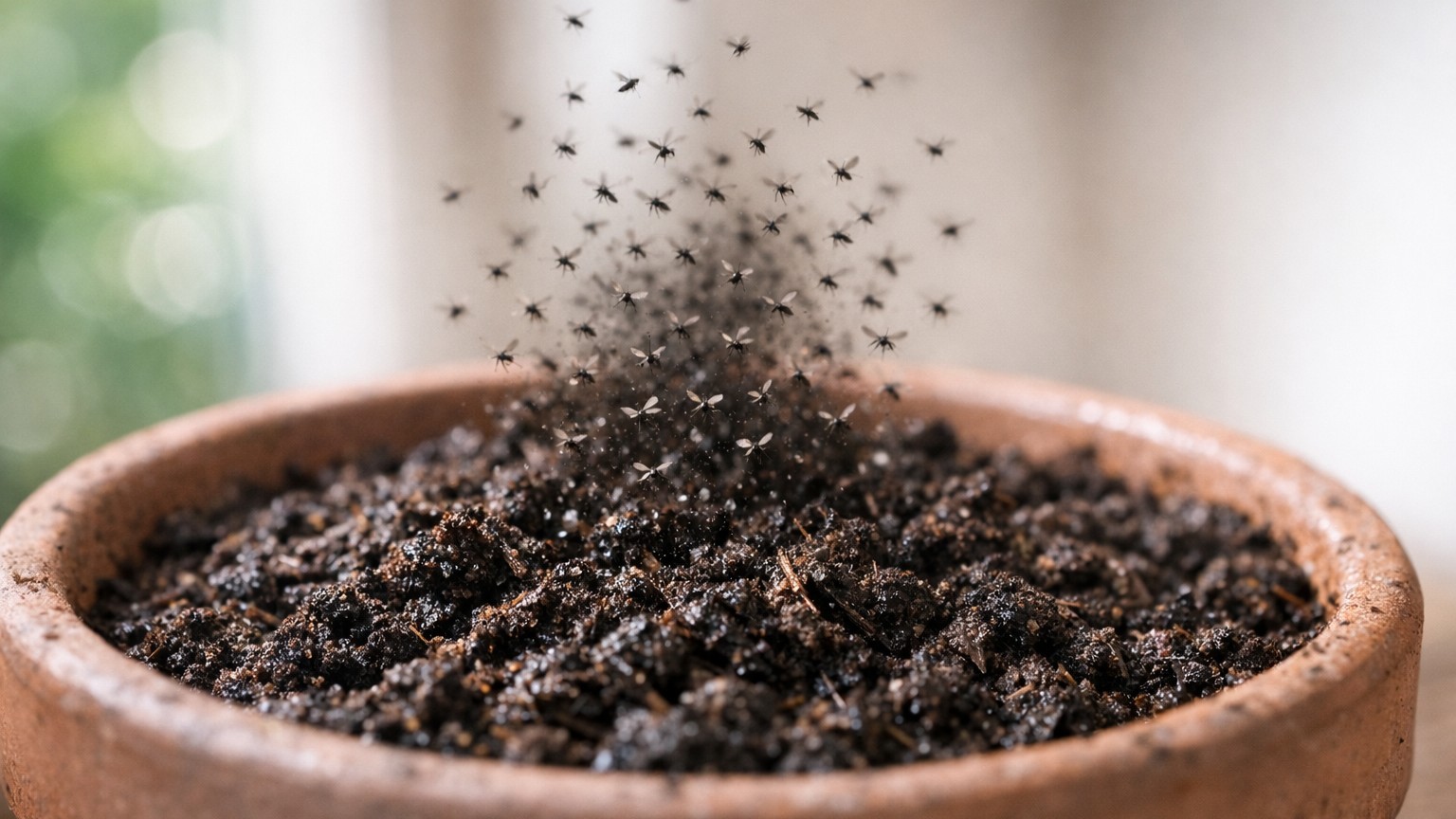
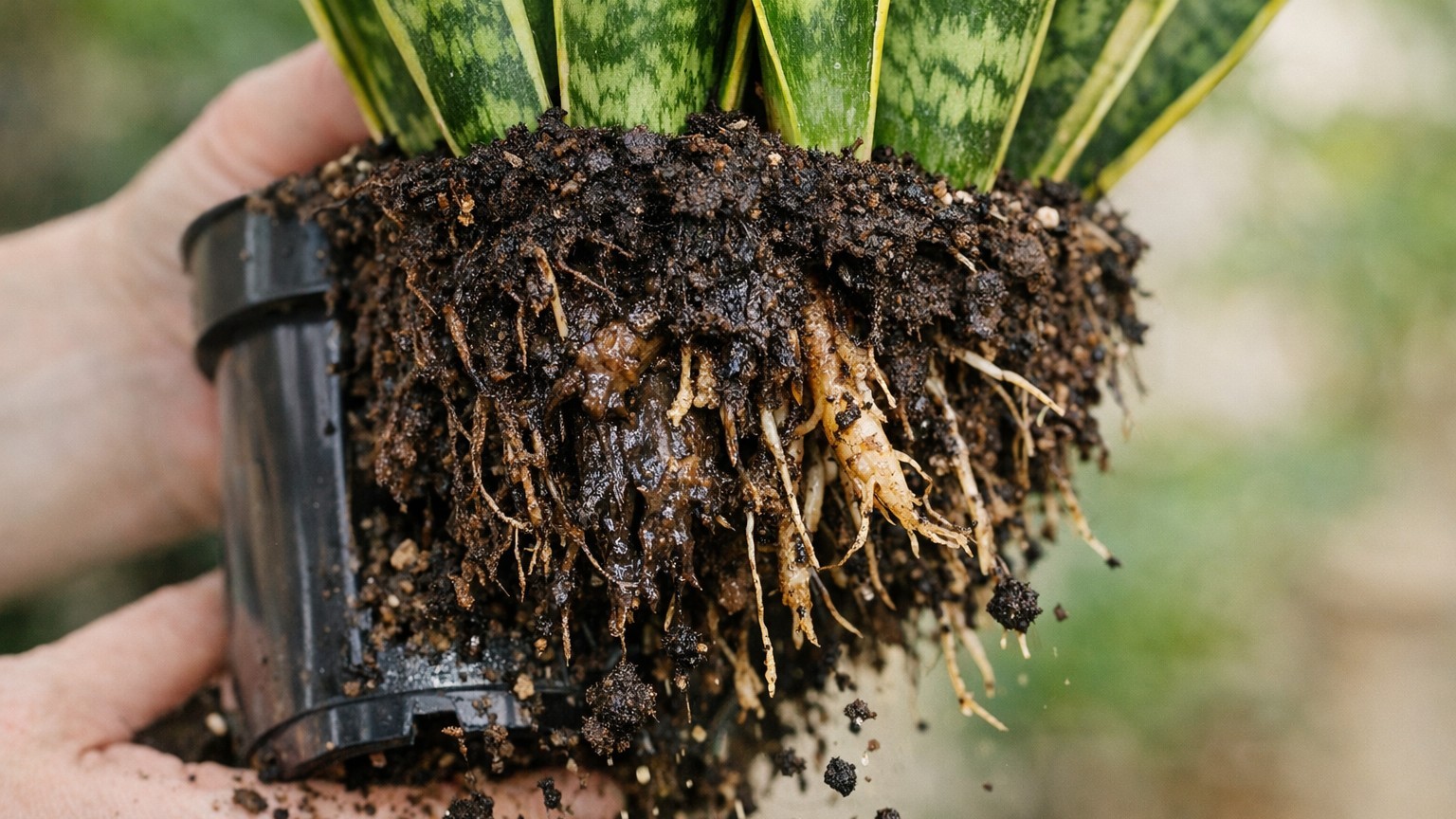
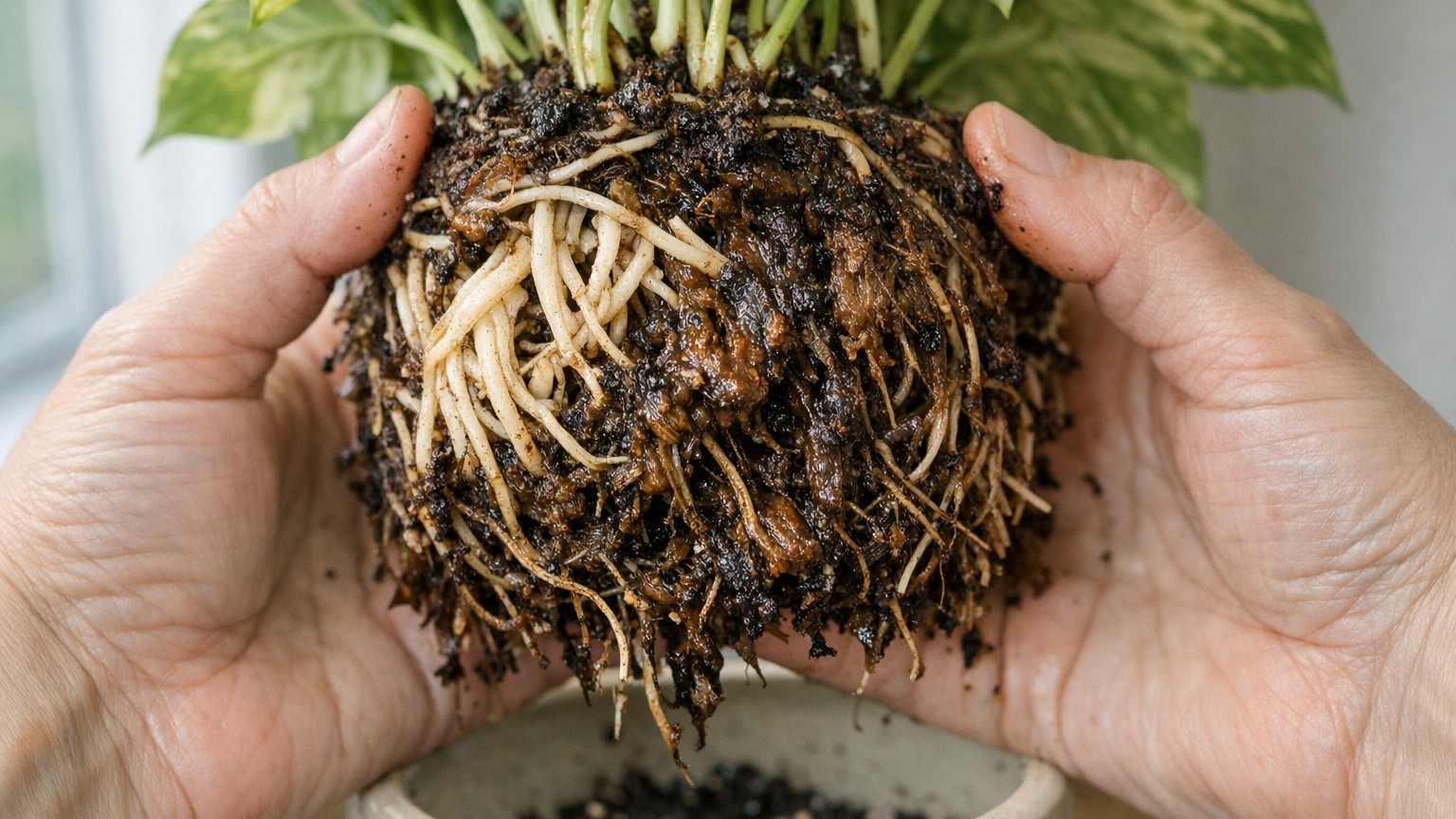
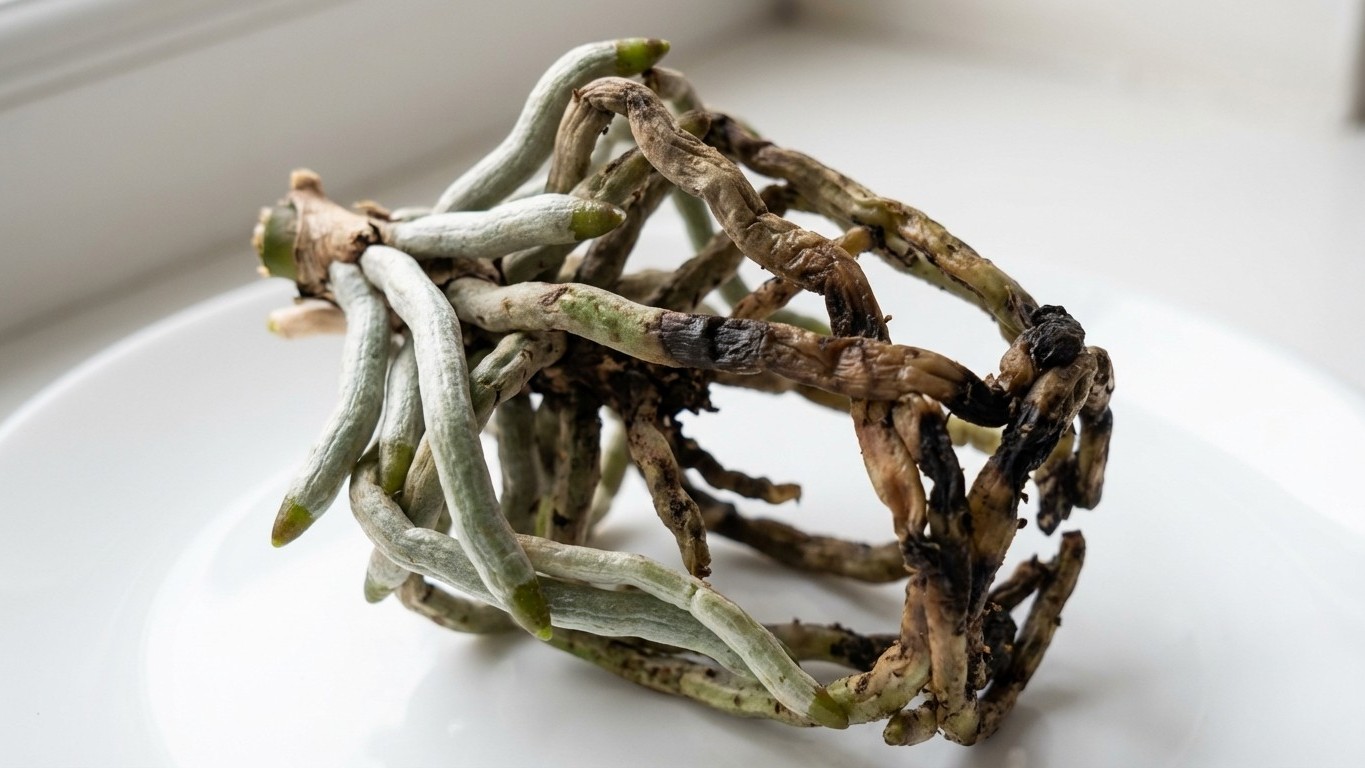
After a year of adding coffee grounds directly to houseplant soil, one plant developed hidden root rot while appearing perfectly healthy above ground. What looked like a promising growth hack turned into a cautionary tale about drainage, compaction, and the gap between garden mythology and container reality.

Stop Repotting Your Houseplants This Way: The One Overlooked Mistake Behind 90% of Root Rot

Stop Repotting Your Houseplants This Way: The One Overlooked Mistake Behind 90% of Root Rot

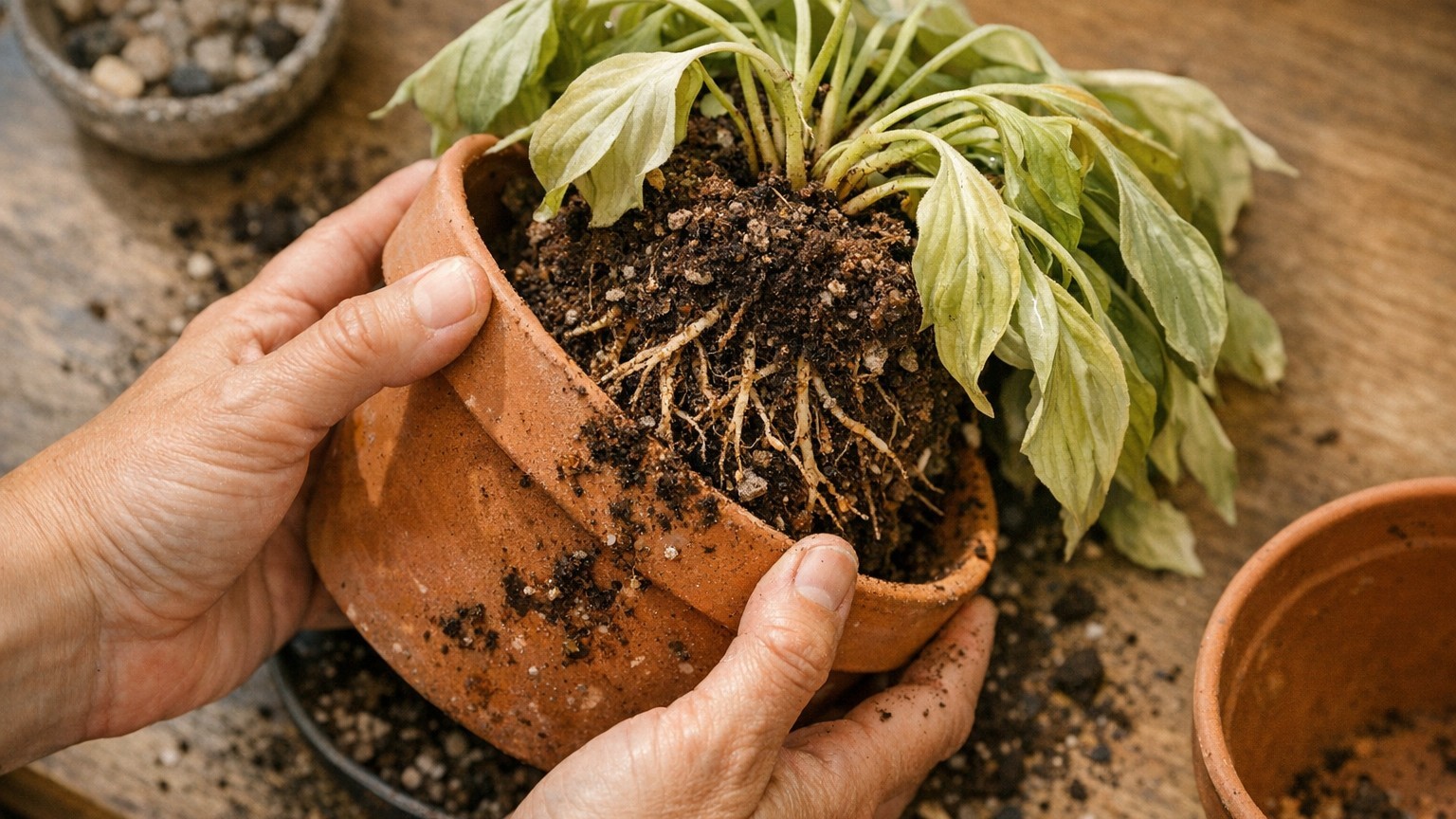
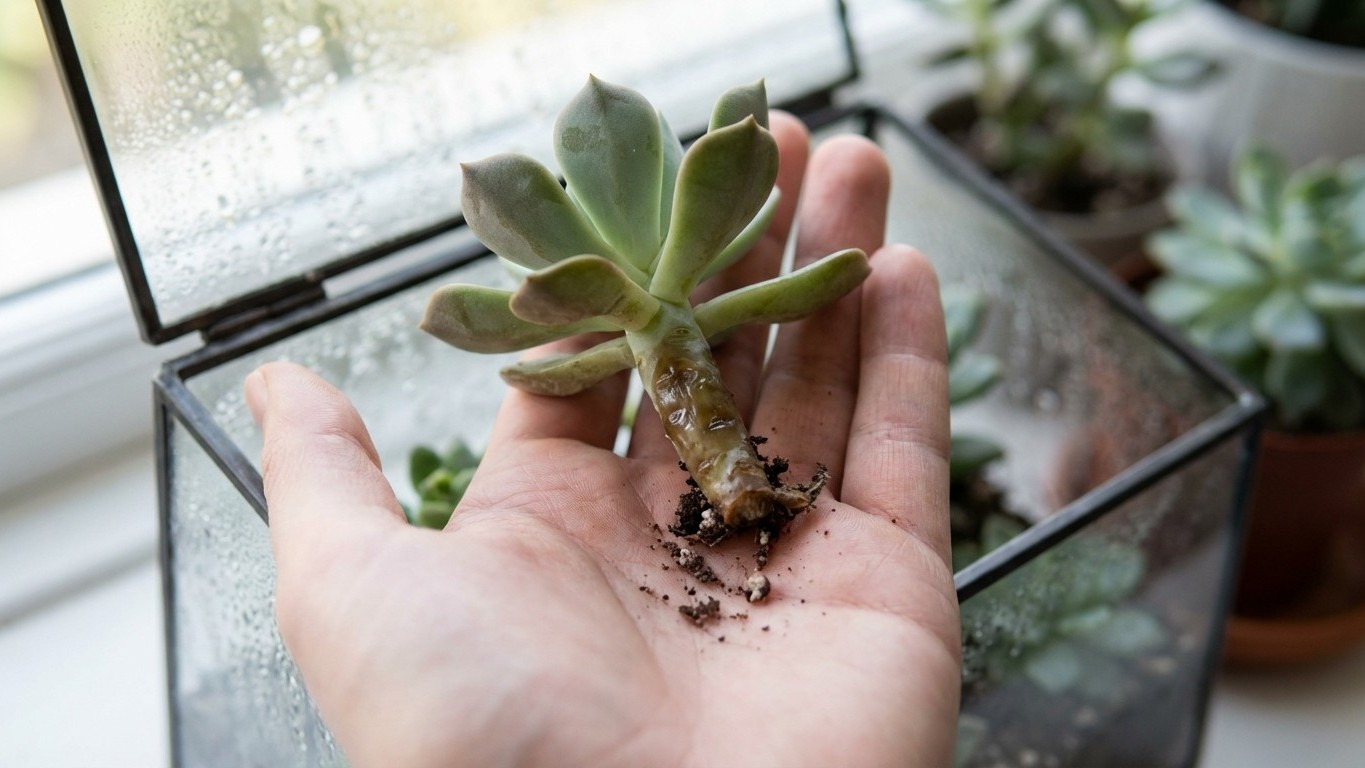
Root rot claims more houseplants than any other cause, and it often strikes during repotting—the one moment you’re trying to help. One specific mistake, repeated in nearly every home, creates the perfect conditions for fungal takeover within days.

The Silent Plant Killer: Why Soft Lower Leaves Mean Your Houseplant Is Drowning

The Silent Plant Killer: Why Soft Lower Leaves Mean Your Houseplant Is Drowning

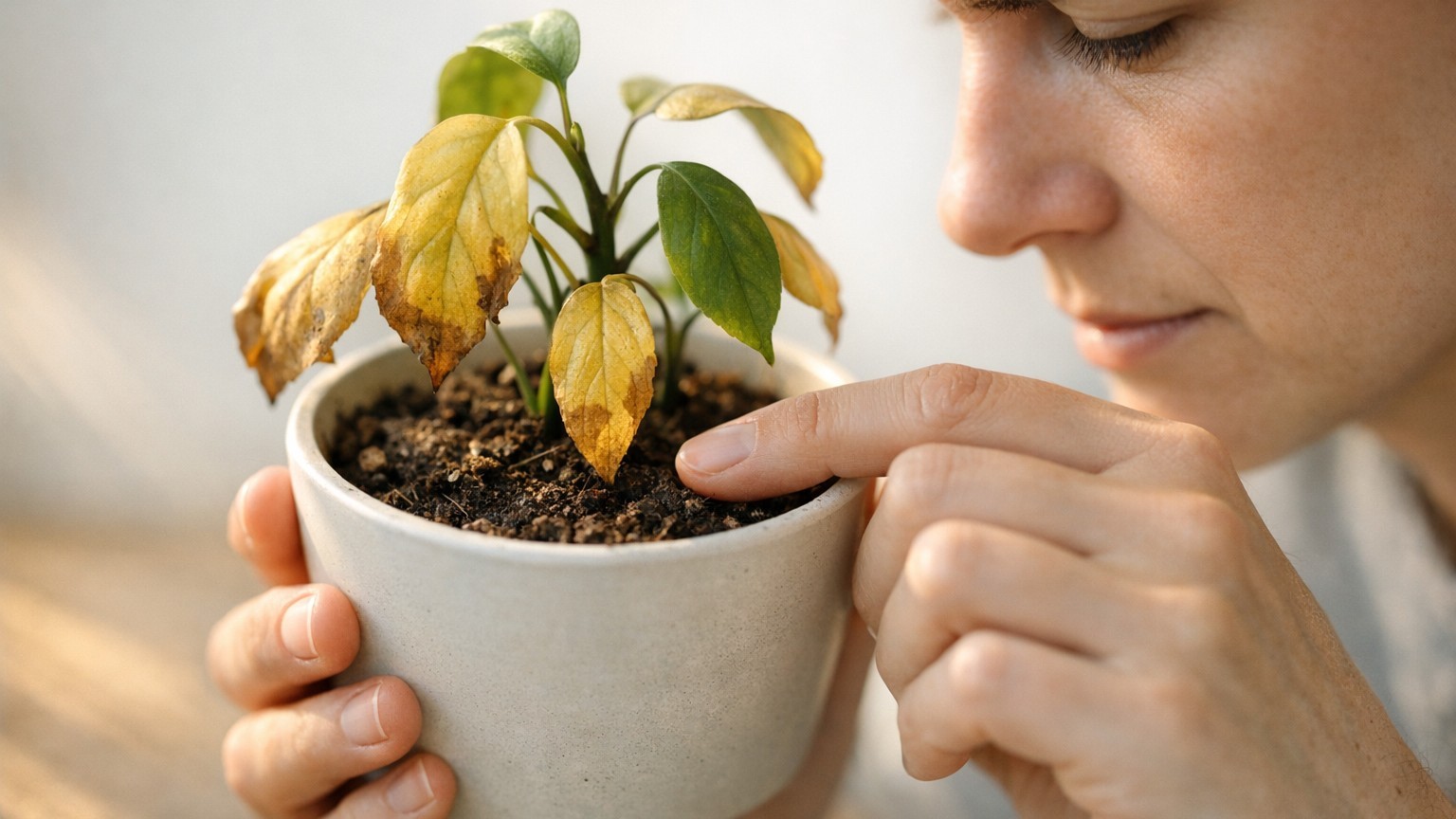
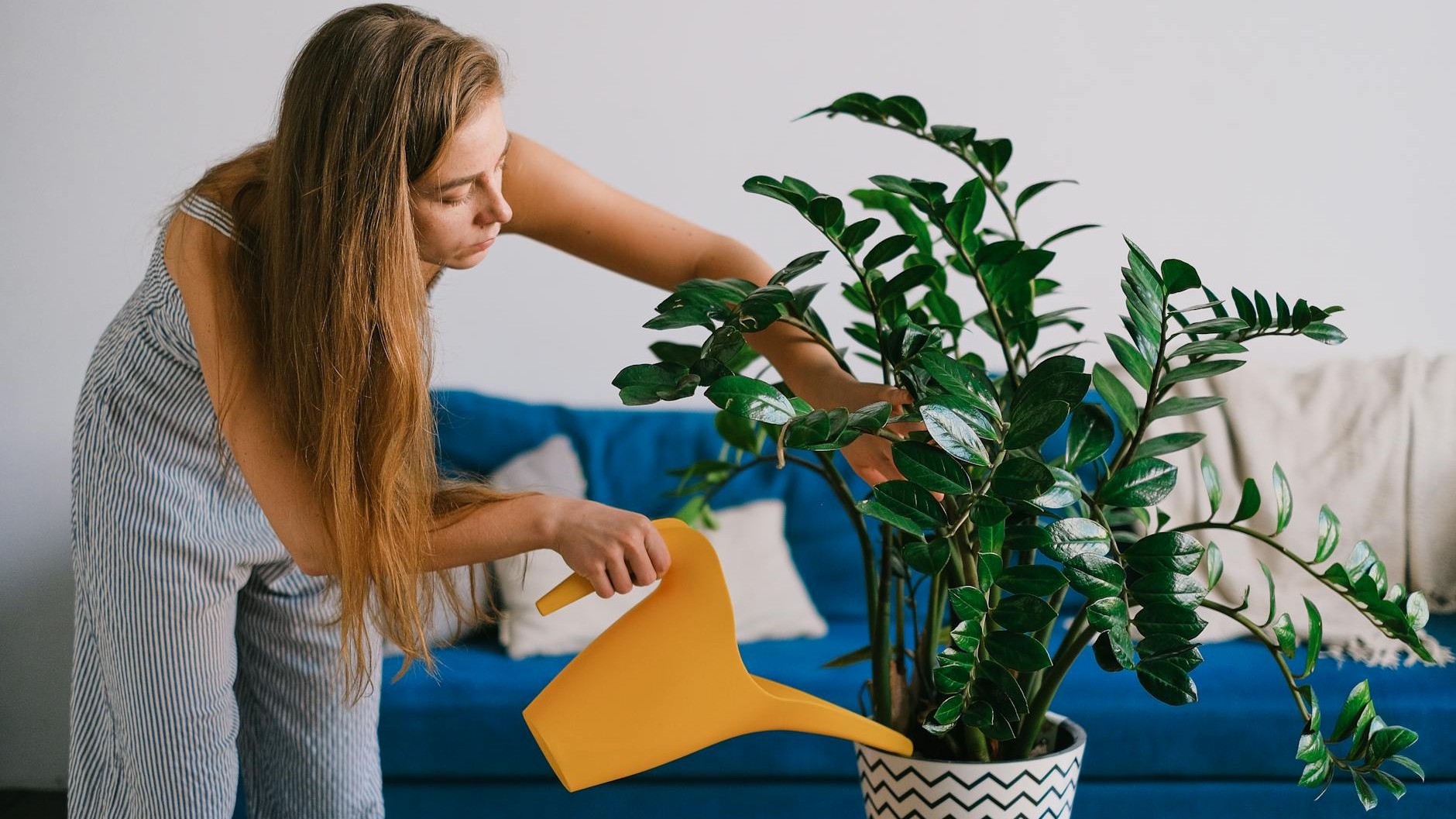
Your houseplant might be silently drowning right in front of you. Before the dramatic yellowing and leaf drop, there’s one subtle warning sign that reveals the truth: soft, slightly discolored lower leaves that feel waterlogged rather than crispy. Learn to spot this signal and save your plant.

The Hidden Root Sign Every Plant Parent Misses During Repotting

The Hidden Root Sign Every Plant Parent Misses During Repotting

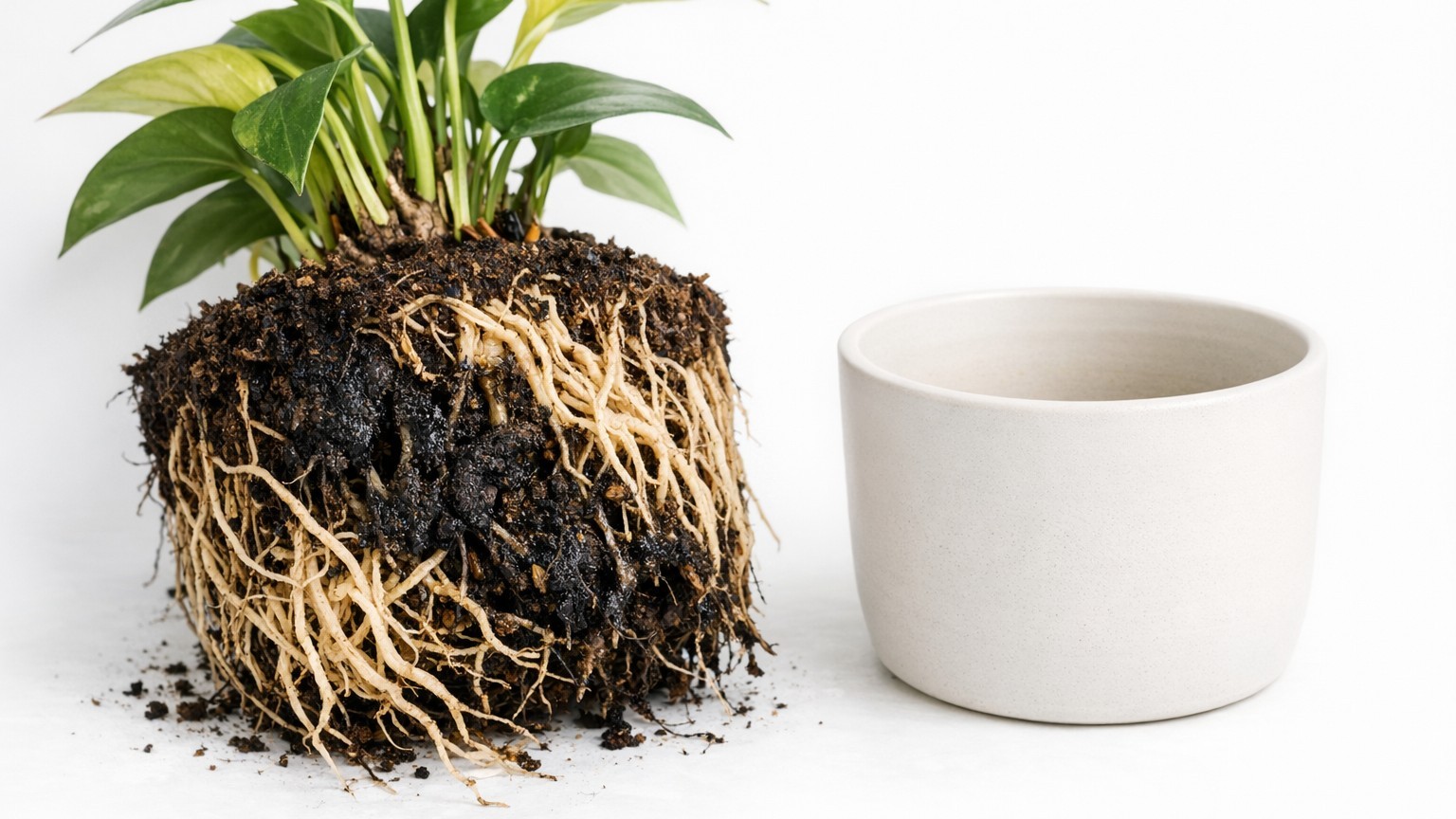
For months, a plant parent blamed everything—soil, light, pests—for declining plants until one afternoon revealed the truth hiding underground. Dark, mushy roots weren’t a sign of being pot-bound; they signaled early-stage root rot. Here’s the overlooked indicator that changes everything about how you repot.